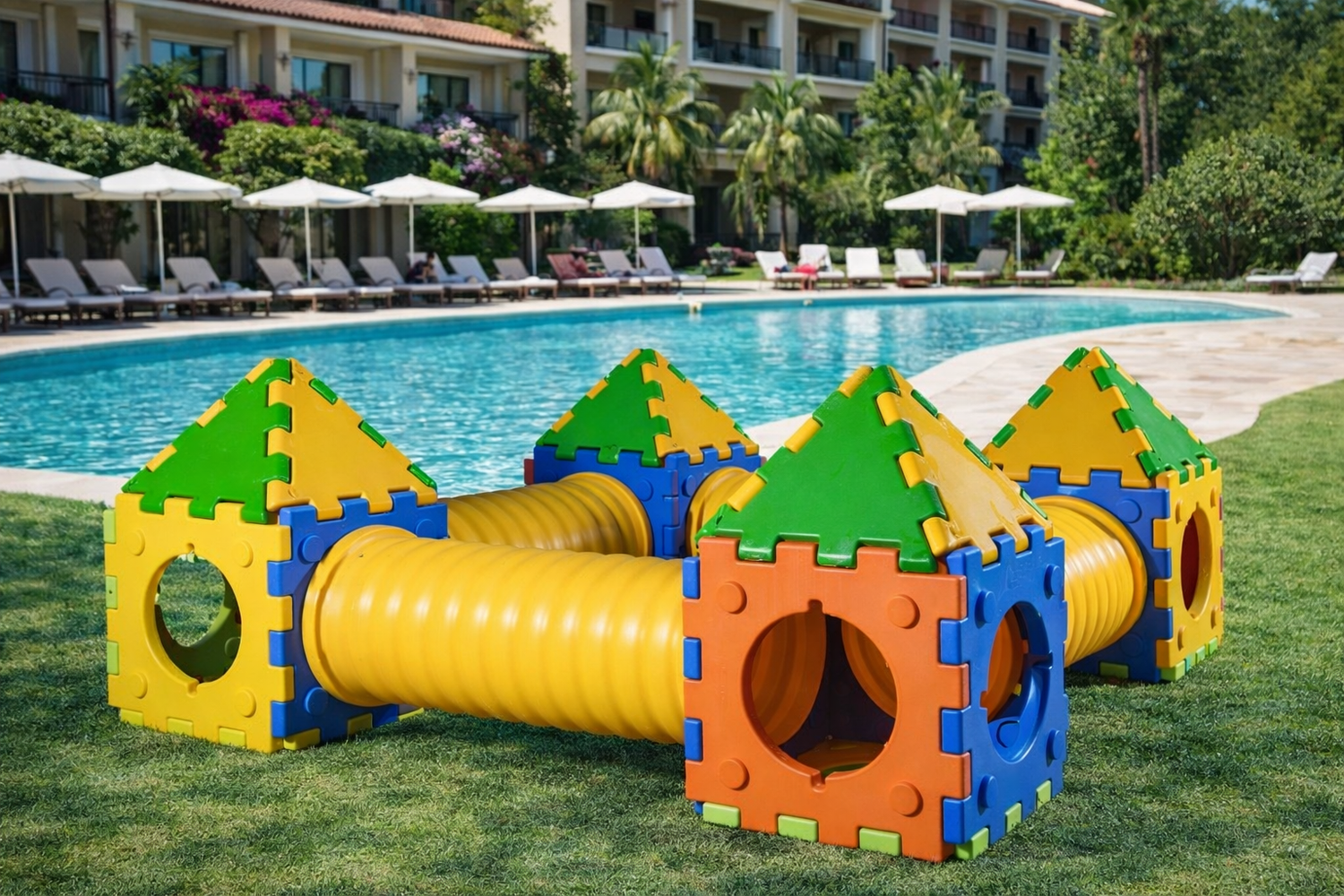
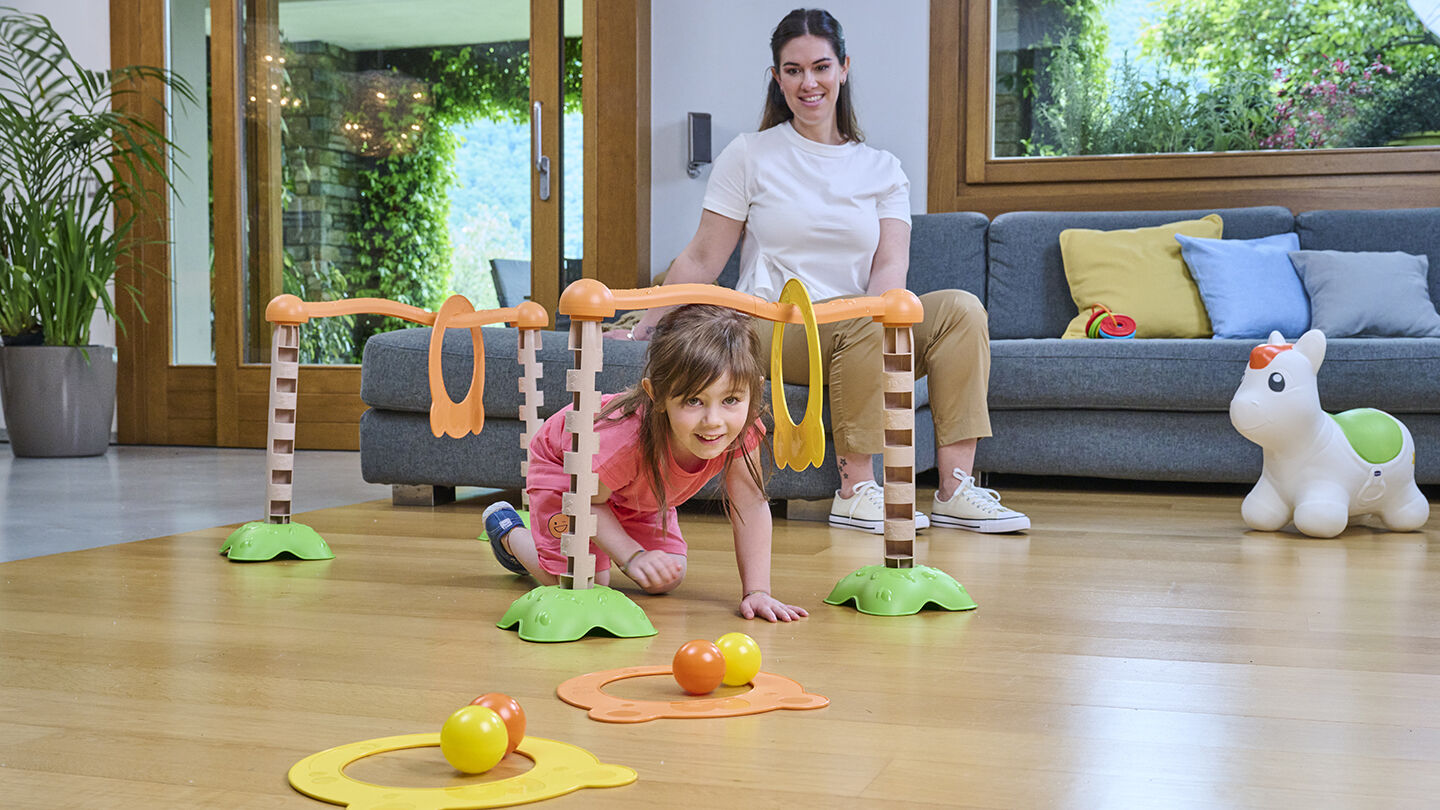
Why are psychomotor games essential for children?
Psychomotor games help children develop coordination, balance, and body awareness. Through movement activities, obstacle courses, and motor games, children learn to control their movements and orient themselves in space. This type of activity also stimulates cognitive development and strengthens self-confidence.
What skills do psychomotor games develop?
Psychomotor activities promote the development of various skills: motor coordination, balance, concentration ability, and spatial perception. Furthermore, during play, children learn to collaborate, respect rules, and face small challenges, which are fundamental elements for emotional and social growth.
🔎Discover Italian products chosen by Rustilia
At what age are psychomotor games useful?
Psychomotor games are particularly important between 2 and 6 years old, a phase in which the child rapidly develops their motor and cognitive abilities. However, movement and psychomotor activities can also be useful in later years, by adapting the exercises to the children's age and abilities.
Why is it important to use specific educational materials?
The use of equipment designed for psychomotor activities allows for the creation of safe and stimulating educational pathways. Specialized companies like Italveneta Didattica develop materials designed for schools and kindergartens, such as soft modules, balance courses, and structures for motor activities that help children learn through play.
Do psychomotor games also aid emotional development?
Yes. Overcoming small obstacles, completing a course, or collaborating with other children helps to strengthen self-esteem, improve emotion management, and foster positive relationships with peers. This is why psychomotor activity is increasingly present in early childhood education programs.


Leave a comment
All comments are moderated before being published.
This site is protected by hCaptcha and the hCaptcha Privacy Policy and Terms of Service apply.