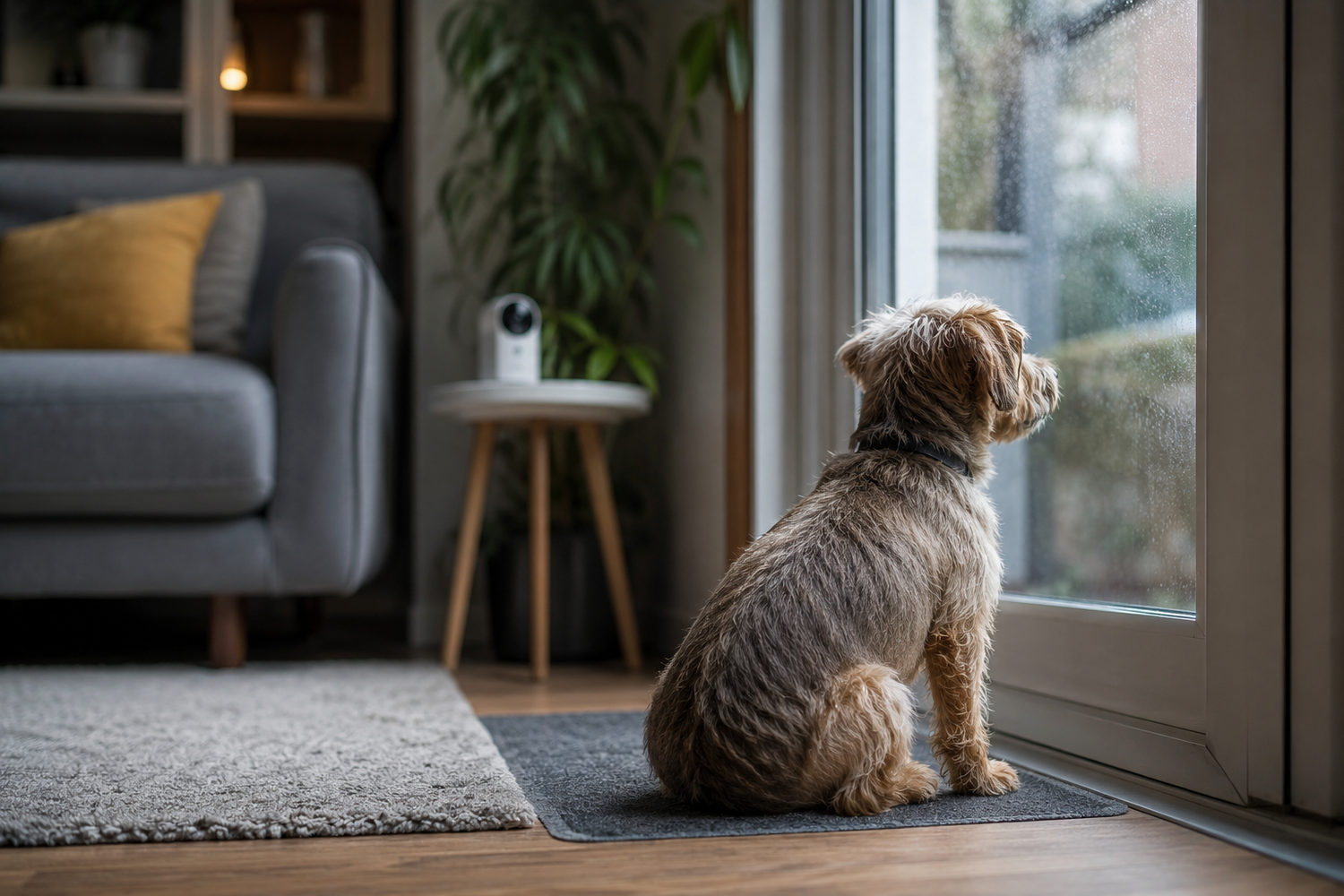
Leaving a dog or cat alone at home is now part of the daily routine for millions of people. Work, commitments, traffic, increasingly hectic rhythms: all this leads many pets to spend several hours without human interaction.
But there is a question that few owners really ask themselves:
how much solitude time is sustainable for the psychological and physical well-being of our pet?
The answer is not just about food in the bowl or a quick walk. It concerns emotional balance, mental stimulation, safety, and quality of life.
Pets suffer from loneliness more than we imagine
Dogs and cats experience the home very differently from humans.
For us, it can be a safe and quiet place.
For them, especially when left alone for many hours, it can turn into a monotonous, stressful, or even anxiety-inducing environment.
The signals are often underestimated:
- continuous barking
- persistent meowing
- destruction of objects
- apathy
- sudden aggression
- loss of appetite
- sleep disturbances
- compulsive behaviors
Many owners interpret these behaviors as “whims.” In reality, they are often symptoms of emotional distress.
How many hours can a dog stay alone?
There is no absolute rule, but experts agree on one point:
the duration of solitude must be compatible with the animal’s age, character, and energy.
Indicatively:
- a puppy should not be left alone for many consecutive hours
- a balanced adult dog can tolerate a few hours
- some very social breeds suffer more from isolation
- older dogs may have more frequent physiological needs
The problem arises when loneliness becomes a prolonged daily routine without stimuli.
Cats also suffer from domestic boredom
There is the false myth of the “completely independent” cat.
In fact, many cats develop:
- isolation stress
- chronic boredom
- sedentary lifestyle
- overeating
- behavioral changes
A cat left alone all day without activities or interactions can progressively lose essential natural stimuli.
The invisible risks inside the home
Loneliness is not the only problem.
Many household accidents happen precisely when pets are unattended:
- lack of water
- tipping over bowls
- excessive heat
- electrical problems
- ingestion of objects
- accidental escapes
- sudden illnesses
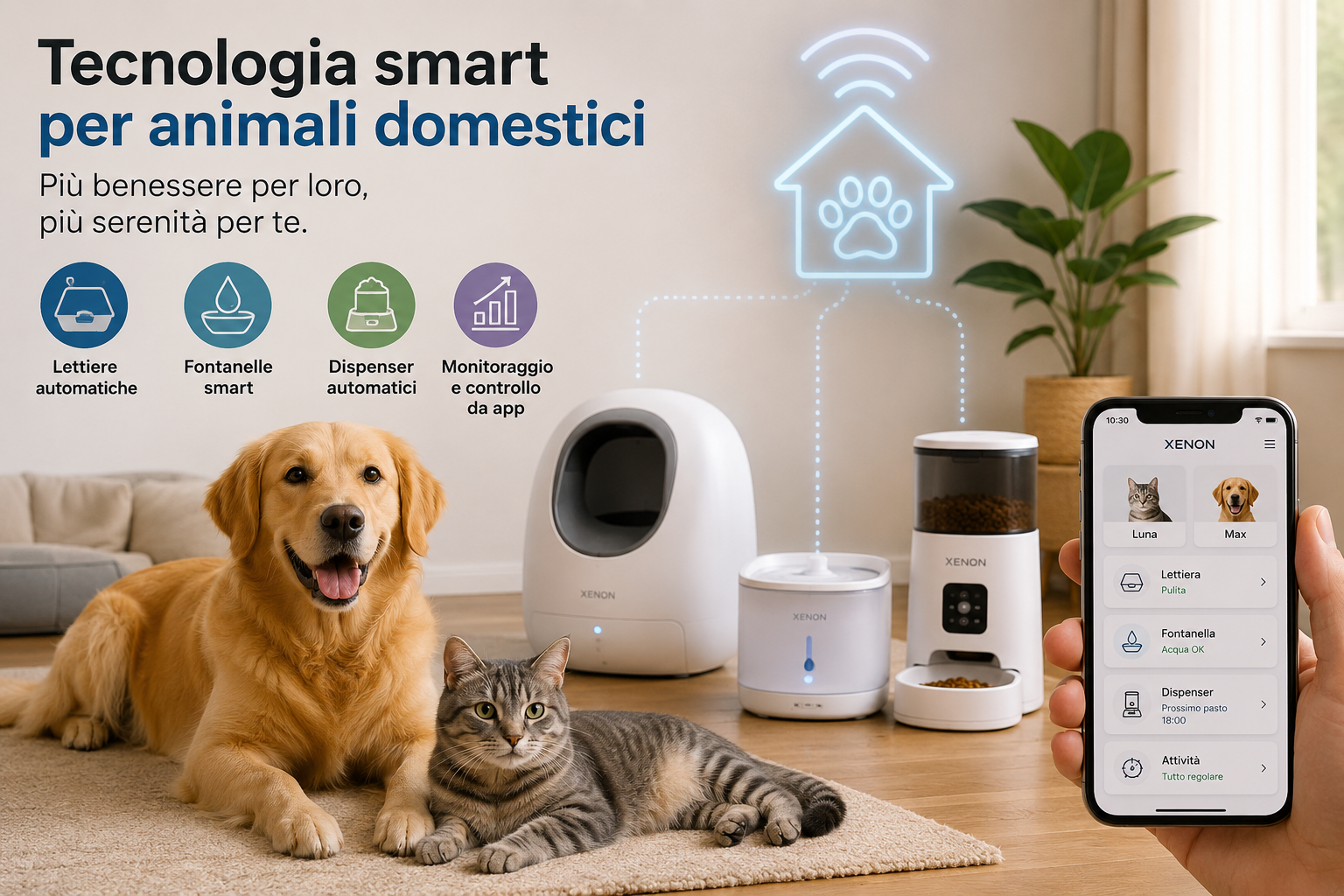
And this is where smart technology for pets is becoming increasingly important.
Can smart technology improve animal welfare?
In recent years, smart solutions have been developed specifically to reduce problems related to pets staying at home.
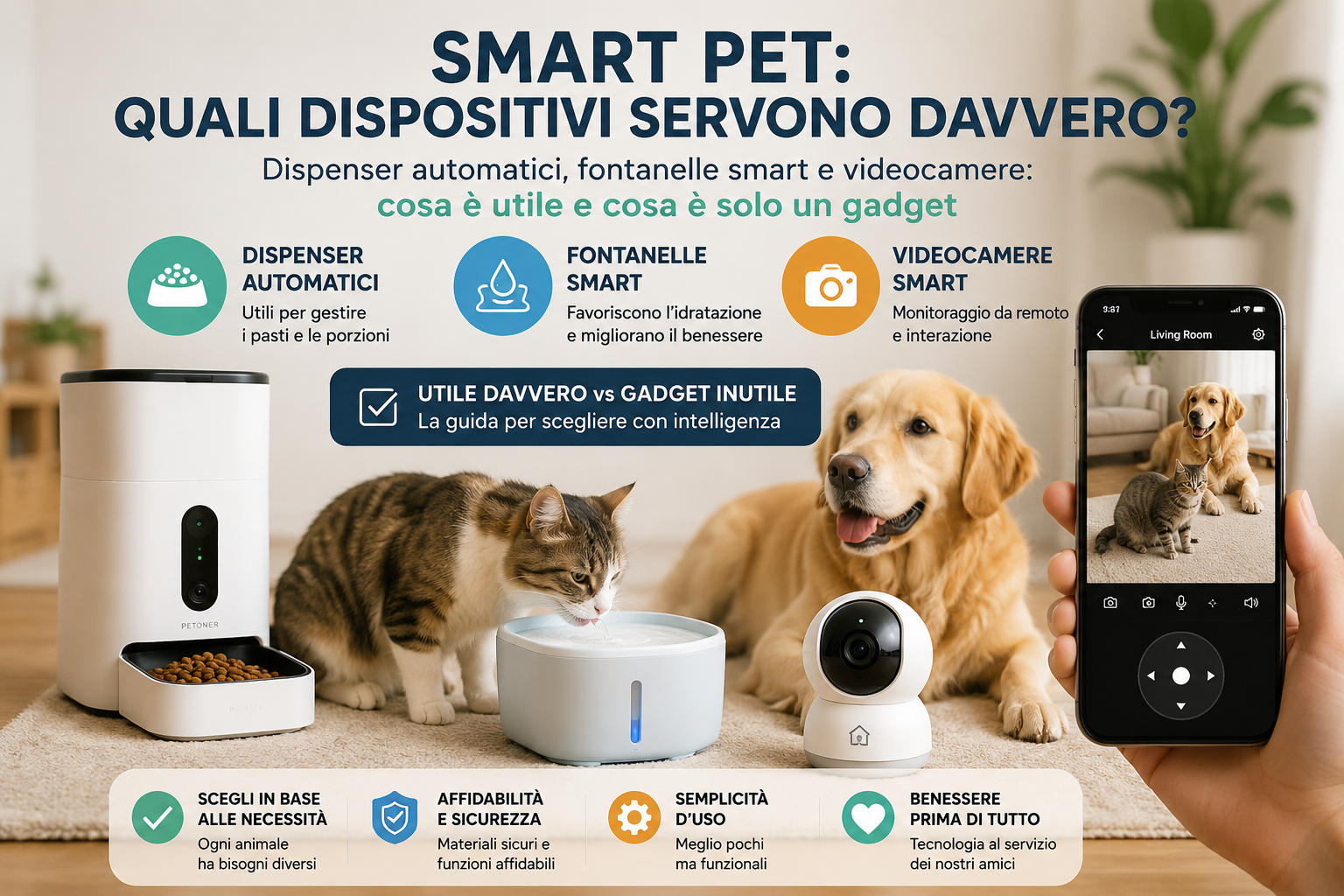
Among these:
- automatic food dispensers
- smart fountains
- interactive cameras
- motion sensors
- two-way audio dispensers
- smart toys
- remote monitoring systems
These tools do not replace human presence but can help to:
- maintain regular routines
- control the animal’s behavior
- reduce anxiety and stress
- increase safety and comfort
- monitor abnormal situations
In the world of pet technology, the concept is evolving rapidly:
we no longer talk only about “accessories” but about tools for domestic well-being.
Smart Pet: when the home becomes more interactive
The growth of the smart home is also involving the animal world.
Today many people look for products capable of:
- interact remotely with your pet
- check food and water
- receive notifications
- observe behavior throughout the day
This phenomenon is part of the new evolution of the connected home, where technology and well-being coexist.
In the Smart Pet sector, the goal is not to “humanize” the animal but to create a safer, more stimulating, and sustainable environment for its daily life.
How to truly reduce the discomfort of loneliness
There are some concrete strategies that can make a difference:
Create a stable routine
Animals feel safer when they can predict daily events.
Increase mental stimulation
Games, courses, smart snacks, and activities reduce boredom.
Avoid excessive isolation
When possible, limit consecutive hours of total absence.
Monitor behavior
Observing any sudden changes is essential.
Integrate useful technology
Smart devices can help with daily management.
The future of the home will be increasingly pet-friendly
The truth is simple:
pets do not seek luxury or advanced technology.
They seek balance, attention, and safety.
But in a society where time is increasingly scarce, smart tools can become a concrete support to improve the quality of their daily life.
And this is exactly where the Smart Pet sector will continue to grow in the coming years:
at the intersection of technology, well-being, and emotional connection.
FAQ – Frequently Asked Questions
Can a dog stay alone all day?
It depends on age, breed, and character, but many consecutive hours each day can cause physical and emotional discomfort.
Do cats suffer from loneliness?
Yes. Even if more independent, they can develop stress, boredom, and abnormal behaviors.
Are pet cameras useful?
They can help monitor the animal's behavior and increase home safety.
Do automatic dispensers replace the owner?
No. They are useful support tools for daily management but do not replace relationship and presence.
What to do if the dog destroys objects when left alone?
It could be a sign of separation anxiety or boredom. It is important to increase stimulation, activities, and behavior monitoring.

Leave a comment
All comments are moderated before being published.
This site is protected by hCaptcha and the hCaptcha Privacy Policy and Terms of Service apply.