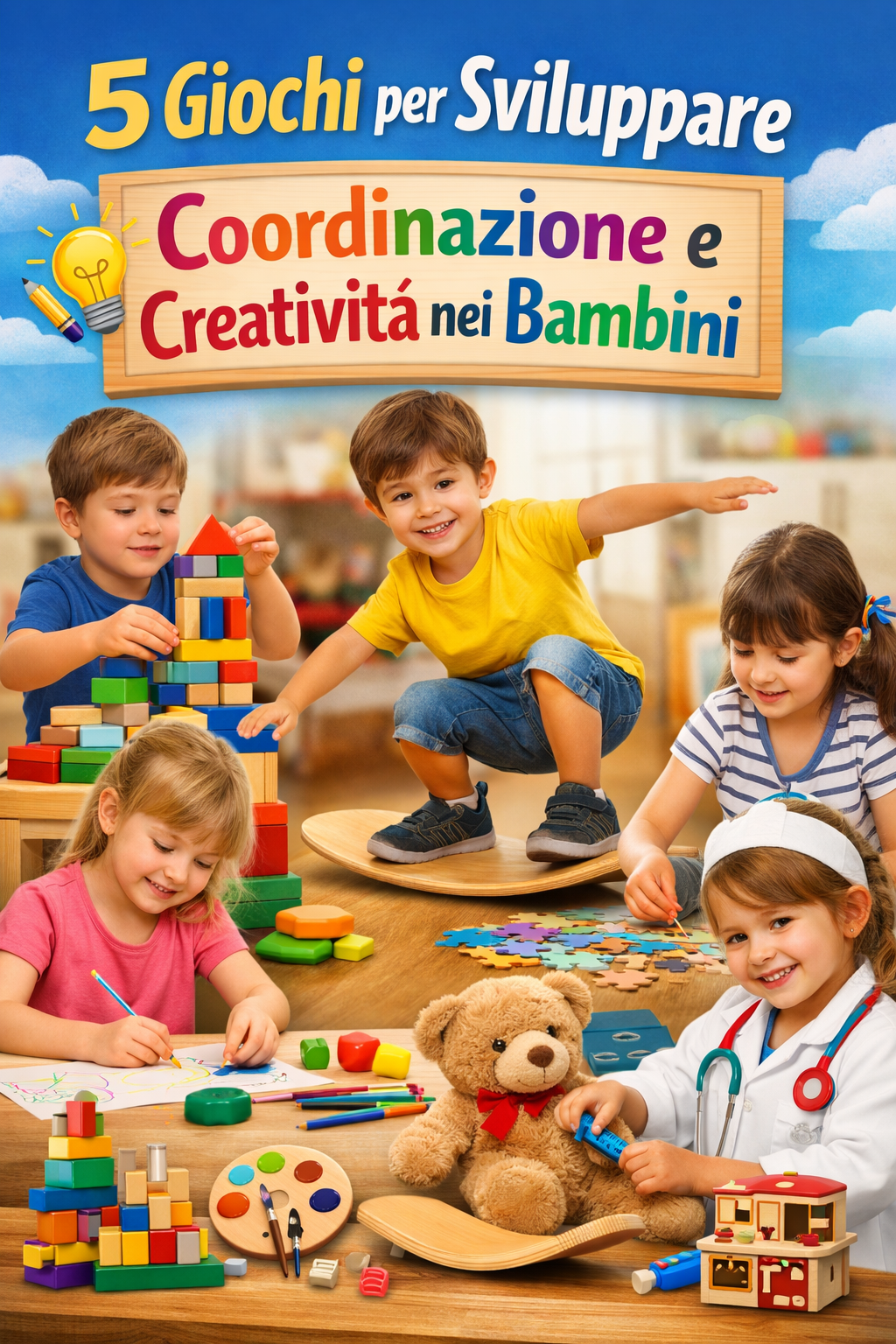
How to develop coordination and creativity in children through play
Coordination and creativity are not "natural" abilities that grow on their own: they develop through concrete, repeated, and stimulating experiences.
The most effective way to do this? Educational play.
🔎 Discover why psychomotor skills are important
Not just any game, though. Some truly stimulate cognitive and motor development, while others are just passive entertainment.
In this guide, you'll find 5 essential games that help your child develop:
· motor coordination
· creative abilities
· mental autonomy
· problem-solving
Which games develop coordination and creativity in children?
The most effective games have 3 characteristics:
1. Actively engage the child
2. Stimulate multiple skills simultaneously
3. Allow space for creative freedom
Here are the 5 most important.
1. Creative construction: the most comprehensive game
Construction toys (wooden, magnetic, or modular) are among the most powerful tools for child development.
Main benefits:
· Hand-eye coordination
· Logical and spatial thinking
· Free creativity
· Planning ability
When a child builds a tower or a structure, they are already:
· imagining a result
· testing solutions
· correcting errors
👉 In practice, they are training "problem solver" skills.
Practical tip: Choose construction toys that are not too guided: fewer instructions = more creativity.
2. Artistic activities: the engine of creativity
Drawing, painting, playdough, and collage are fundamental.
What they develop:
· Fine motor skills
· Emotional expression
· Imagination
Unlike other games, there is no single right outcome here. And that's precisely what makes these activities so powerful.
👉 The child learns to create, not to replicate.
Common mistake: Intervening too much ("do it this way," "use this color"). Allow space, even if the result isn't "perfect."
3. Balance games: the foundation of motor coordination
Often underestimated, balance games are essential, especially in early childhood.
Examples:
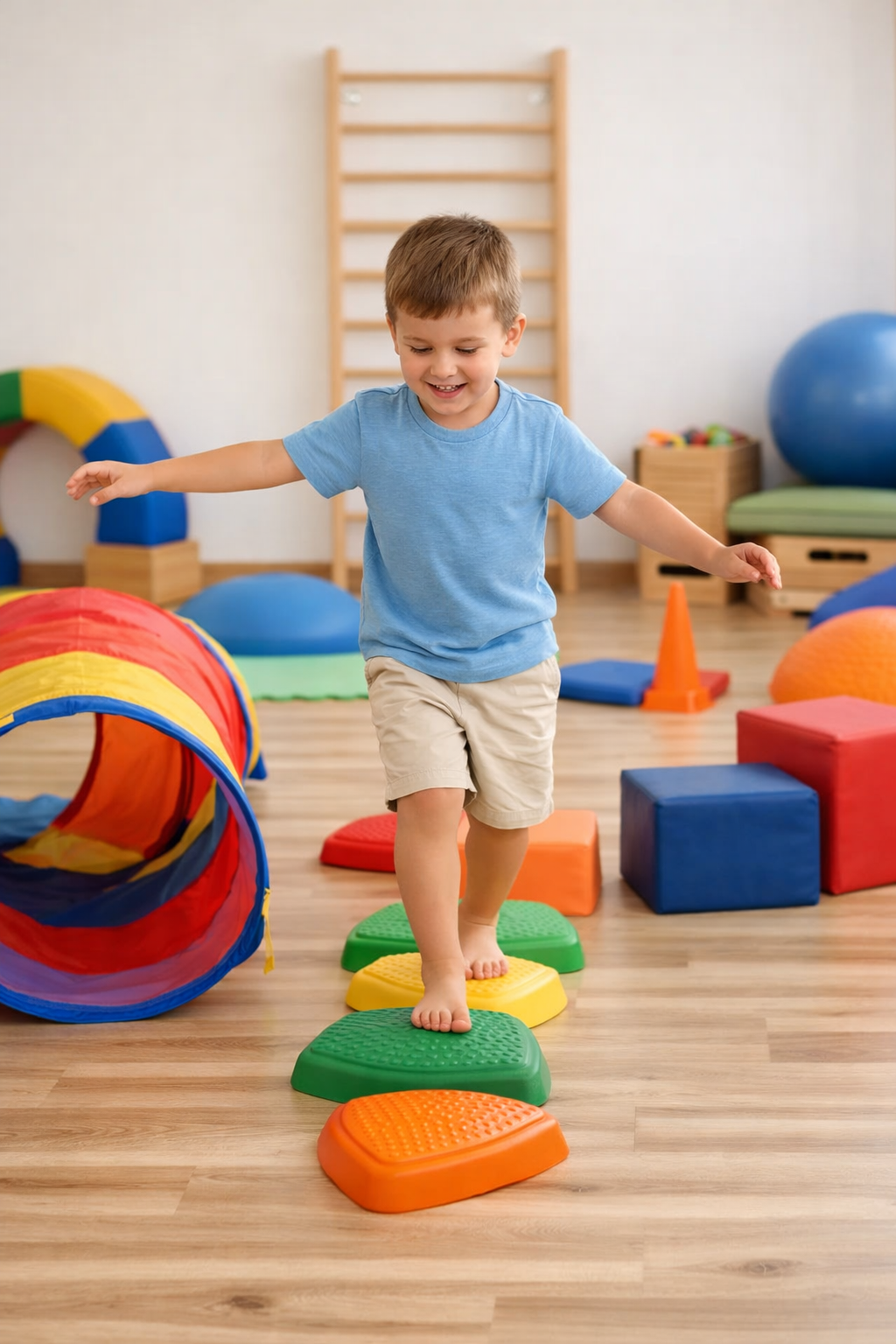
· motor pathways
· balance boards
· stability games
Benefits:
· Global bodily coordination
· Movement control
· Concentration
👉 A child who develops balance also develops self-confidence.
4. Puzzles and inserts: mental training and precision
Puzzles are among the best games for stimulating concentration and logic.
What they develop:
· Problem-solving
· Fine coordination
· Patience
· Observation skills
Every piece is a challenge. Every mistake is a learning opportunity.
👉 It's one of the few games that teaches "resilience" to frustration.
Key tip: Choose progressive difficulty: too easy = no growth too difficult = giving up
5. Symbolic and role-playing games: social and creative development
Toy kitchens, shops, dress-up, professions.
These games are often seen as "simple," but in reality, they are among the most advanced.
Benefits:
· Narrative creativity
· Language development
· Empathy
· Understanding the world
👉 The child simulates reality, interprets it, and reworks it.
This is how they build their social skills.
🔎Discover Rustilia's choices
Why educational games really make a difference
We need to be clear here: not all games are created equal.
Well-designed educational games:
· stimulate multiple areas of the brain simultaneously
· promote active learning
· maintain interest over time
Unlike passive (or digital) games, they don't just "fill time": they build skills.
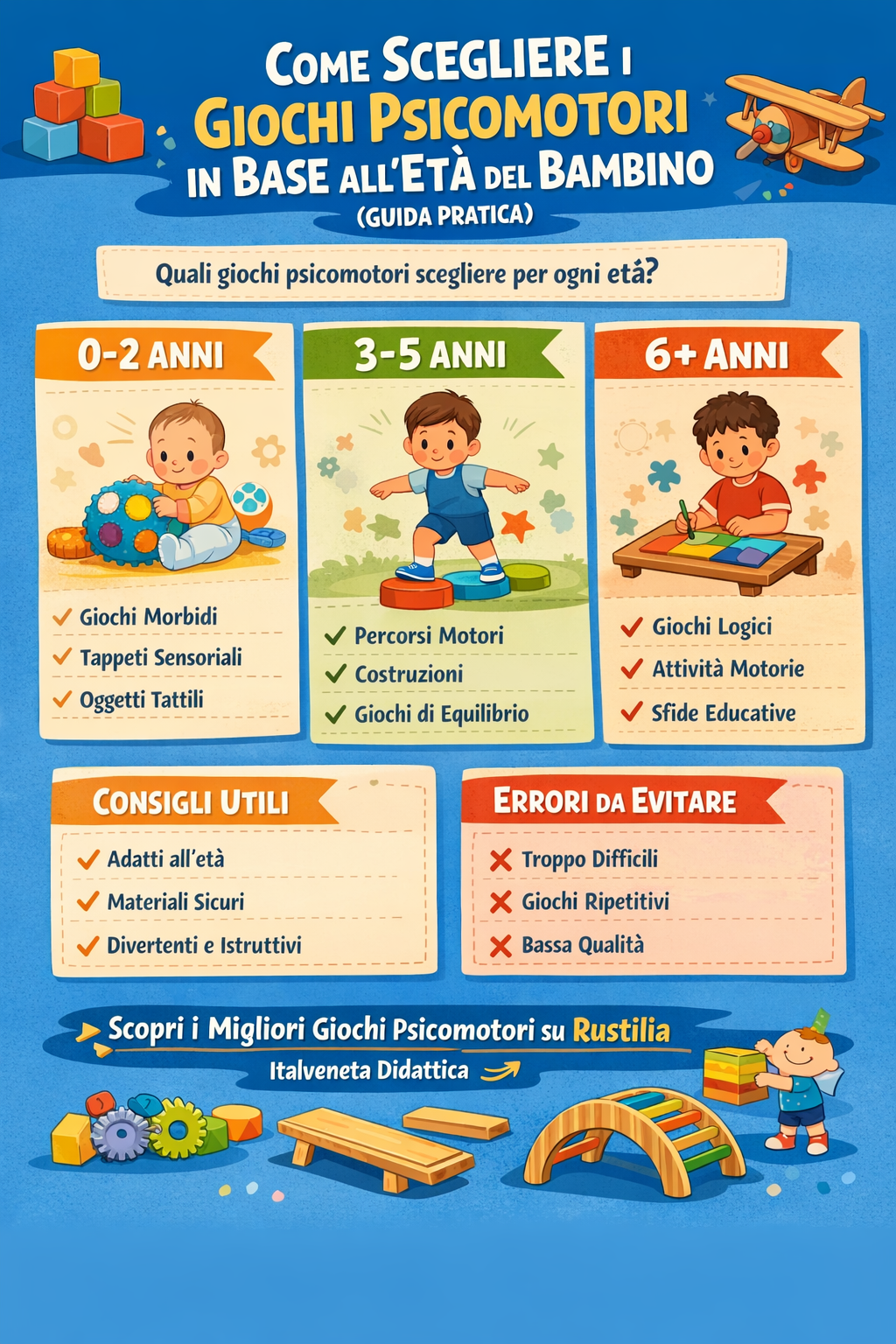
👉 Companies like Italveneta Didattica focus precisely on this: offering tools that combine play and real development.

Leave a comment
All comments are moderated before being published.
This site is protected by hCaptcha and the hCaptcha Privacy Policy and Terms of Service apply.