The unmistakable aroma of freshly brewed coffee is one of life's simplest and most everyday pleasures. Whether it's a cup of espresso in the morning or an afternoon cappuccino, the ritual of preparing and enjoying this black nectar has become an integral part of our daily routine. But what happens to those precious coffee grounds once our favorite beverage is finished? Instead of throwing them away, why not put them to good use in botanical and domestic settings?
Making coffee with the moka pot
One of the most iconic tools for making coffee is undoubtedly the moka pot. This small machine, with its unmistakable design, allows us to make a full-bodied and aromatic espresso right at home. But to achieve the perfect result, there are a few tips to keep in mind.
Choosing the right moka pot
The first thing to do is select the right moka pot for your needs. Models come in various sizes, suitable for making one to six cups of coffee. Choose the size based on the number of people you'll be serving. Also, opt for a moka pot made of aluminum or stainless steel, materials that guarantee greater durability.
Select the right coffee
The secret to a good coffee also lies in the quality and origin of the coffee used. Choose whole bean blends, grinding them freshly for a more intense aroma. Experiment with different origins and roasts to find your favorite blend.
Steps to make the perfect coffee
Once you've chosen your moka pot and coffee, follow these simple steps to get a killer espresso:
- Fill the bottom of the moka pot with cold water, up to the level of the safety valve.
- Insert the filter and fill with ground coffee, without compacting it too much.
- Screw on the top of the moka pot and place it on the stove over medium heat.
- Wait patiently for the coffee to come out of the spout, without ever moving away.
- Once the moka pot has finished brewing the coffee, immediately pour the contents into the cups.
Tips for optimizing taste
To further enhance the flavor of your coffee, try:
- Warm the cups before pouring the coffee
- Add a pinch of salt to balance the acidity
- Use cold, filtered water for preparation
The ideal hob for the moka pot
Besides choosing the right moka pot and coffee, another key factor in achieving a perfect espresso is the right hob. This is where mixed induction hob technology comes into play, combining the advantages of induction with the flexibility of a traditional hob.
Advantages of the mixed induction hob
Combined induction hobs offer the best of both worlds. On the one hand, the speed and efficiency of induction heating, ideal for making coffee with a moka pot. On the other, the ability to also use traditional pots and pans, expanding your cooking options.
Comparison with the gas induction hob
Compared to traditional gas hobs, induction models offer additional advantages. They are safer, as they don't produce open flames, and allow for more precise temperature control. Furthermore, they are easier to clean and more energy efficient.
Creative reuse of coffee grounds in botany
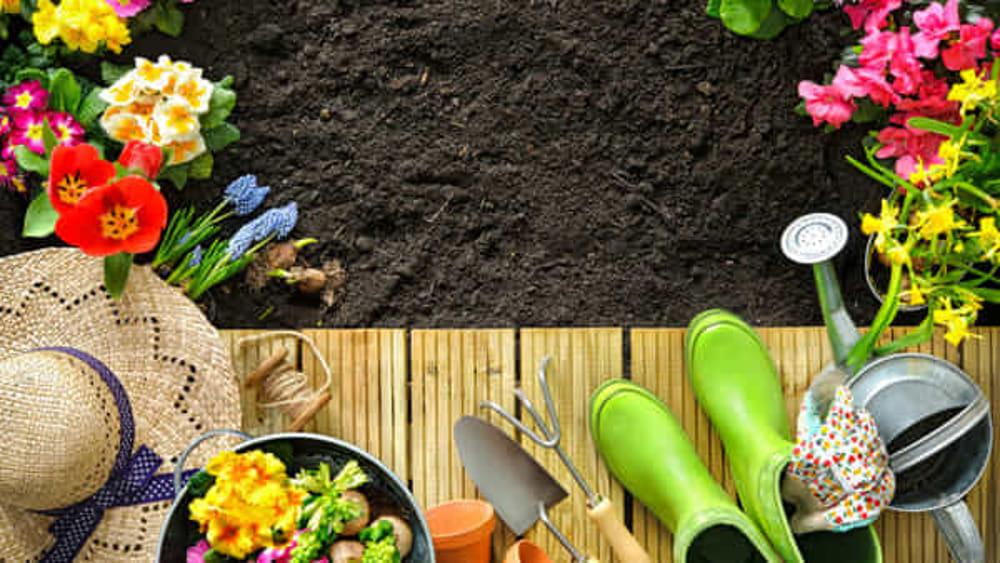
Once we've finished our cup of coffee, let's not throw away the precious grounds! These scraps can actually be a valuable resource for our garden and plants.
Natural fertilizer for plants
Coffee grounds are rich in nitrogen, phosphorus, and potassium, essential elements for plant growth. You can use them as a natural fertilizer, either by burying them directly in the soil or by mixing them with water to create liquid compost.
Insect repellent
Thanks to their acidity, coffee grounds can act as an effective natural repellent for some pesky insects, such as ants, snails, and slugs. Simply sprinkle them around the plants you want to protect.
Compost for the garden
Add coffee grounds to your home compost, along with other organic waste like fruit and vegetable peels. You'll get nutrient-rich soil, perfect for naturally fertilizing your garden.
Mushroom cultivation
Surprisingly, coffee grounds can also be used as a substrate for growing edible mushrooms, such as mushrooms and shiitake. Simply mix them with other ingredients and let them ferment.
Other creative uses for coffee grounds at home
But reusing coffee grounds isn't just limited to botanical uses. Here are some other ideas for using them at home:
- Body and face scrub: Coffee grounds granules can be used as a natural skin exfoliant.
- Refrigerator Deodorizer: Coffee grounds absorb unpleasant odors, ideal for keeping your refrigerator fresh.
- Natural dye: Coffee grounds can be used to naturally dye fabrics, paper, and even hair.
- Ant Remedy: Sprinkle coffee grounds in infested areas to keep ants away in an environmentally friendly way.
Conclusion: From the cup to the garden, the virtuous cycle of coffee
From making coffee with a moka pot to growing plants and mushrooms with its grounds, coffee can become a valuable ally in the home and garden. Discover how to make the most of this precious resource, reduce waste, and care for your garden naturally. From the cup to the garden, coffee truly follows a virtuous cycle!




Leave a comment
All comments are moderated before being published.
This site is protected by hCaptcha and the hCaptcha Privacy Policy and Terms of Service apply.