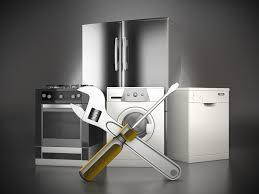
In recent years, the European Union has introduced groundbreaking legislation on the "right to repair," a measure designed to strengthen consumer rights and promote environmental sustainability. This legislation specifically targets cookers, hobs, small appliances, and induction hobs, products that account for a significant share of electronic waste generated each year. But what does the right to repair actually mean, and what are its implications for consumers and the environment?
What the Right to Repair Provides
The right to repair, established by the European Commission, requires manufacturers to ensure that cookers, hobs, small appliances, and induction hobs are repairable for a minimum period of 7-10 years. The regulation requires manufacturers to:
-
Provide spare parts for a defined period after the product has been sold.
-
Provide repair manuals and technical information to facilitate repairs.
-
Design devices that can be disassembled and repaired without the need for proprietary or particularly complex tools.
Furthermore, the regulation applies to both industry professionals and end consumers, expanding repair options and reducing dependence on authorized centers.
Benefits for Consumers
For consumers, the right to repair represents a significant achievement. Modern kitchens, cooktops, small appliances, and induction hobs are often designed to discourage repairs, pushing users to replace products that could be repaired at a lower cost. Thanks to the new regulation, consumers benefit from:
-
Cost Savings : The ability to repair a reliable product rather than replace it significantly reduces long-term costs.
-
Longer Product Life : With access to spare parts and manuals, users can extend the life of their devices.
-
Transparency : Manufacturers are required to provide clear and detailed information, allowing consumers to make informed decisions.
Positive Impacts on the Environment
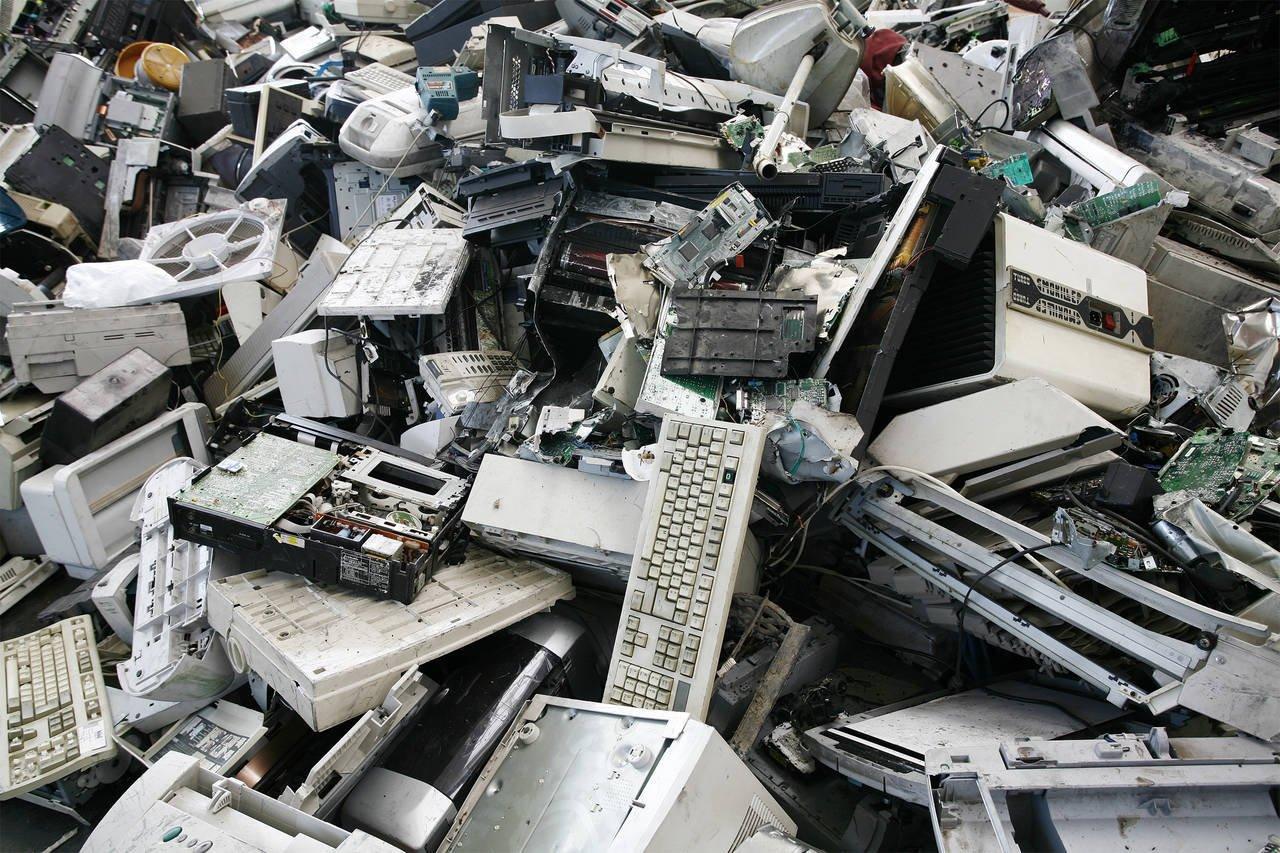
In addition to the economic benefits, the regulation has a crucial impact on environmental protection. Cookers, hobs, small appliances, and induction hobs are a major source of electronic waste, which is difficult to dispose of and contains environmentally hazardous materials. The new rules promote:
-
Reducing Electronic Waste : By promoting repair, you avoid the accumulation of unusable devices in landfills.
-
Conservation of Natural Resources : By recycling and repairing, you reduce the demand for raw materials needed to produce new devices.
-
Reducing CO2 Emissions : The production of new appliances is highly energy-intensive. Extending the life of existing products helps limit manufacturing-related emissions.
-
An Eco-Friendly Approach : The legislation pushes towards a culture of sustainability, in line with global environmental objectives.
Challenges and Future Prospects
Despite the clear benefits, implementing the right to repair presents some challenges. Manufacturers may attempt to circumvent the regulation, for example by increasing the cost of spare parts or making it difficult to access technical manuals. Furthermore, it is crucial to raise consumer awareness of the importance of repair, educating them to consider it a primary option over replacement.
In the future, the regulation is expected to be extended to other sectors, such as smartphones and portable electronic devices, which generate enormous amounts of waste each year. Furthermore, the initiative could be accompanied by economic incentives, such as discounts on repairs or tax breaks for those who choose to repair rather than buy new.
Conclusions
The EU's right to repair represents a breakthrough for both consumer rights and environmental protection. By promoting the repairability of cookers, hobs, small appliances, and induction hobs, this regulation reduces costs for users, reduces the environmental impact of electronic waste, and contributes to a culture of sustainability. To realize the full potential of this initiative, a joint commitment from manufacturers, consumers, and legislators is essential, with the aim of creating a more sustainable and informed future.
A concrete example of this vision is Click Cucina, which with its Zero Waste Program aims to combine many of these needs. Through an eco-friendly approach and reliable products, Click Cucina aims to reduce waste, offering solutions that perfectly combine the principles of the right to repair and environmental protection.



Leave a comment
All comments are moderated before being published.
This site is protected by hCaptcha and the hCaptcha Privacy Policy and Terms of Service apply.