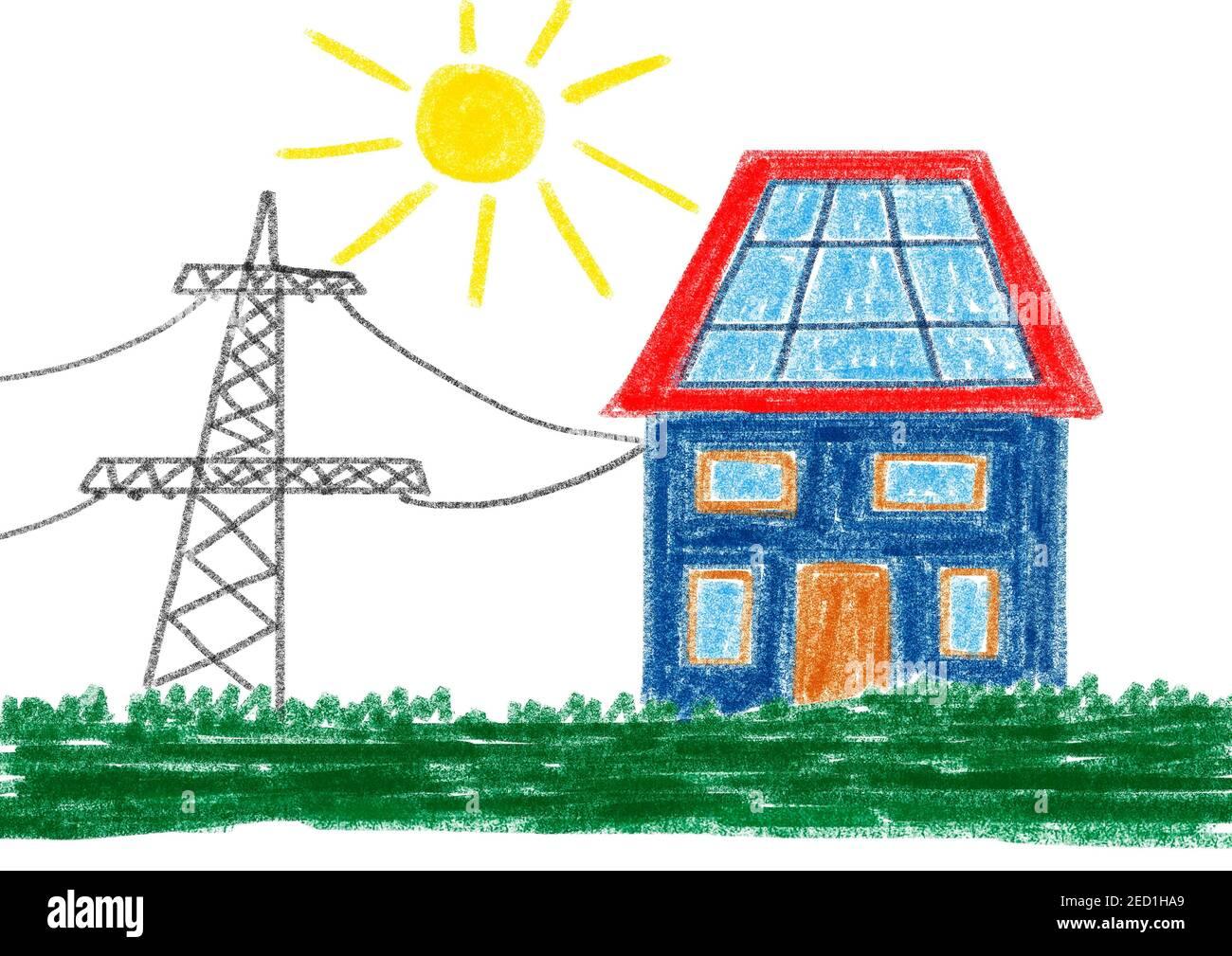
In recent years, combining a photovoltaic system with an induction cooktop has become increasingly popular among those looking to reduce their environmental impact and optimize their home's energy efficiency. But how can these technologies be best leveraged to create synergistic effects? In this article, we'll explain why and how to combine a photovoltaic system with induction cooking, analyzing the benefits, ideal configurations, and practical tips for maximizing savings.
Why choose solar-powered induction cooking?
Induction cooking uses electrical energy to generate heat through a magnetic field, directly heating pots and pans. When combined with a photovoltaic system, which generates electricity using sunlight, the benefits increase:
- Economic savings : powering an induction hob with energy produced by photovoltaic panels means significantly reducing your electricity bill.
- Reducing environmental impact : using renewable energy for cooking allows you to reduce CO2 emissions compared to traditional gas or electric stoves that are not powered by renewable sources.
- Energy efficiency : Induction hobs are known for their efficiency, as they transfer heat directly to the pans, minimizing energy loss.
Sizing a photovoltaic system to support induction cooking
In order to cover the energy needs of an induction hob using a photovoltaic system, it is important to correctly calculate the sizing of the system .
-
A standard induction hob consumes between 2,000 and 7,000 W depending on the number of cooking zones in use. Therefore, it's advisable to have a photovoltaic system that can guarantee sufficient power during daylight hours, preferably between 3 and 6 kW peak.
-
If you plan to use the kitchen mostly in the evening, an energy storage system (battery) becomes essential. Batteries allow you to store the energy produced during the day for use when the sun isn't shining.
Optimize consumption
In addition to having a well-sized photovoltaic system, it is important to adopt some measures to optimize energy use and minimize consumption from the electricity grid:
-
Cooking during peak photovoltaic production hours : The panels produce the most energy during the central hours of the day (between 10:00 a.m. and 4:00 p.m.). Scheduling meal preparation during these times can allow you to take full advantage of the energy produced by the system.
-
Consumption monitoring : Installing an energy monitoring system can help you monitor how much energy you're using and how much you're producing, optimizing the time slots in which to use the most energy-hungry appliances, such as the stove.
-
Intelligent use of cooking zones : Induction hobs allow you to choose different power levels for the cooking zones. For more efficient use, use lower-powered zones whenever possible, especially if your solar panel is producing less energy.
Combining solar panels and induction cooking: how much can you save?
The savings from using a photovoltaic system to power induction cooking depends on several factors, including the system's size and the daily energy consumption of the kitchen. However, considering an average annual use of about 1,000 kWh for an induction hob, powering this consumption with solar energy can lead to savings of up to 40-60% on the electricity bill .
Furthermore, by installing a storage battery, you can further reduce your dependence on the electricity grid, lowering costs and making your home almost self-sufficient.
Incentives and deductions
In 2024, several incentives are still available for those who decide to install a photovoltaic system and improve the energy efficiency of their home. In Italy, it is possible to access tax deductions such as the Superbonus or the Ecobonus , which allow you to recover up to 80% of the initial investment.
Conclusions
Integrating a photovoltaic system with an induction cooktop is a winning choice for those who want to reduce their environmental impact and improve their home's energy efficiency. Beyond cost savings, this combination offers significant environmental benefits, helping reduce dependence on fossil fuels. To maximize efficiency, it's essential to properly size the photovoltaic system, preferably with a storage system, and adopt energy-conscious consumption strategies, such as cooking during peak solar production hours.
If you are ready to invest in a more sustainable future and save on your bill, the combination of a photovoltaic system and induction cooking is the ideal choice!


Leave a comment
All comments are moderated before being published.
This site is protected by hCaptcha and the hCaptcha Privacy Policy and Terms of Service apply.