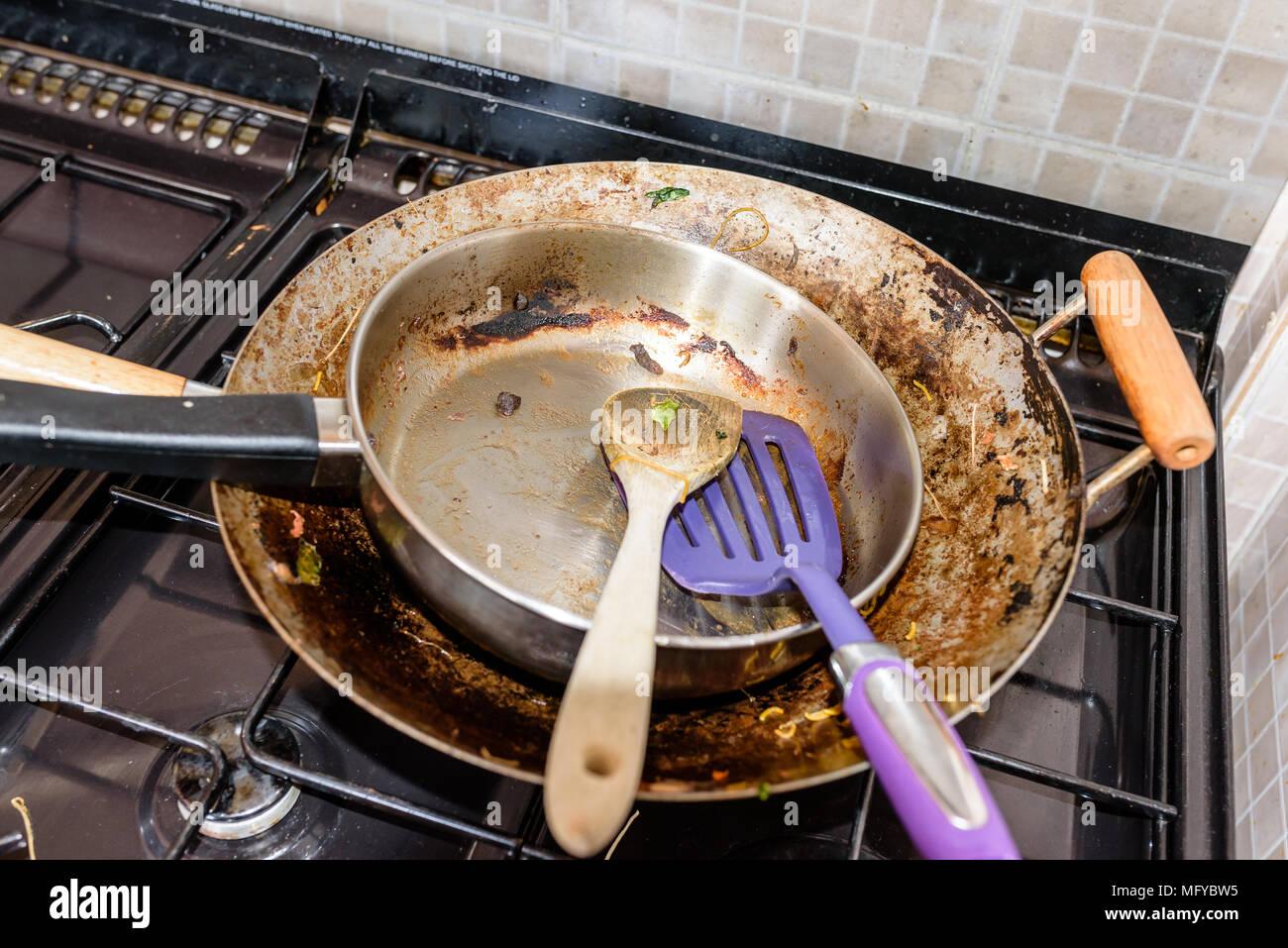
Using traditional pans with induction cooking is not only unlikely but can be harmful. Many of us have valuable cookware at home made from high-quality materials, from copper to terracotta, including stainless steel and aluminum. All these materials have varying degrees of absorption, and while they feel smooth to the touch, they actually have microscopic porosity, just like our skin.
Science has shown that it's risky to wash different materials with the same type of solvent, or to use different materials with the same type of cooking. The risk is that the material may release harmful substances it has previously absorbed.
As with other materials, cooking with certain materials requires careful and specific handling, which requires versatility. For example, copper is an excellent heat conductor, allowing for cooking without damaging food or losing nutrients, even over medium-low heat. However, since copper is not a ferromagnetic material, it cannot be used on induction cooktops.
Dozens of examples like this could be cited.
Using a combined gas and induction hob is a versatile and efficient solution for the modern kitchen, combining the benefits of both technologies in a single appliance. Here are the main advantages of this type of hob:
1. Versatility
The gas-induction hob offers the option of choosing between two different cooking methods, adapting to different needs and preferences. Gas is ideal for cooking that requires immediate heat and visual control of the flame, such as wok cooking or frying. Induction, on the other hand, is perfect for quick and precise cooking, such as boiling water or simmering, thanks to its ability to precisely regulate the temperature.
2. Energy Efficiency
Induction cooktops are known for their energy efficiency, as they transfer heat directly to the pan, reducing energy losses. This results in energy savings and faster cooking. Furthermore, the ability to use gas in combination allows for optimized energy use depending on specific cooking needs.
3. Security
Induction is one of the safest cooking technologies, as the hob's surface remains relatively cool to the touch and heats up only when it detects the presence of a ferromagnetic pan. This reduces the risk of accidental burns and makes the hob safer for families with children. Gas, although requiring care, is equipped with modern safety systems such as flame detection and automatic gas shut-off in the event of an accidental flame out.
4. Flexibility in Cooking
Using a gas-induction hob allows you to take full advantage of the unique features of both technologies. For example, you can use induction to quickly boil water while cooking a complex dish on the gas burner. This flexibility improves overall kitchen efficiency, reducing meal preparation time.
5. Ease of Cleaning
Induction cooktops have smooth, flat surfaces that are easy to clean, as there are no moving parts or crevices where food debris can accumulate. Modern gas cooktops are also designed for ease of cleaning, with removable griddles and easily disassembled burners.
6. Aesthetics and Design
Combination cooktops combine the elegance of modern design with practicality. These cooktops typically have a sophisticated look that complements contemporary kitchens, while also providing an aesthetically appealing focal point.
In conclusion, adopting a combined gas and induction hob is a smart choice for those seeking flexibility, efficiency, and safety in the kitchen, without compromising design and functionality. This type of hob is ideal for meeting a variety of culinary needs, ensuring high performance and an improved cooking experience.

Leave a comment
All comments are moderated before being published.
This site is protected by hCaptcha and the hCaptcha Privacy Policy and Terms of Service apply.