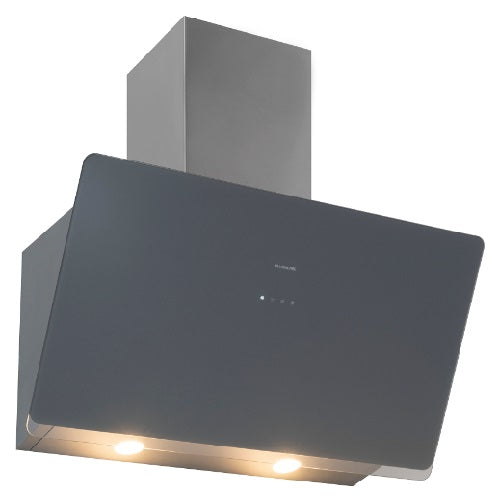
Choosing the right kitchen hood is essential to ensuring a healthy environment, free from odors and humidity. Often overlooked, the kitchen hood is a key element, both functionally and aesthetically. In this guide, you'll discover how to choose the ideal hood based on style, performance, and technical features.
Why is the kitchen hood important?
Cooking releases vapors, grease, and odors that, if not properly extracted, settle on surfaces or spread throughout the room. The hood serves to:
-
Eliminate unpleasant odors
-
Reduce humidity and vapors
-
Prevent mold growth
-
Protect furniture and walls from grease
-
Improving air quality
1. Types of hood: extractor or filter?
The first choice to make concerns the operating system :
✅ Extractor hood (external exhaust)
-
It expels air outside through a duct.
-
Ideal for those who cook often.
-
Greater efficiency in removing fumes and odors.
-
Requires an external outlet.
✅ Filter hood (recirculating)
-
It purifies the air using activated carbon filters, then reintroduces it into the environment.
-
Useful when it is not possible to install a drain pipe.
-
Less efficient, but easier to install.
2. Dimensions and suction power
📏 Dimensions
The hood should be at least as wide as the hob (generally 60, 75, or 90 cm). For induction hobs, it's best to go a little wider to improve extraction efficiency.
💨 Power
Power is measured in m³/h (cubic meters/hour). To calculate the ideal power:
Kitchen volume (m2 x height) x 10-12 = minimum recommended power
Example: 20 m² kitchen with 2.7 m ceiling → 20 × 2.7 = 54 × 10 = 540 m³/h
3. Installation types: which one to choose?
🔲 Wall hood
The most common. It is installed above the hob along the wall.
🔳 Corner hood
Ideal for kitchens with corner hobs.
⬛ Island hood
For kitchens with a central island. Dramatic design, requires a ceiling outlet.
🔽 Integrated or built-in hood
It fits into the wall unit. Discreet, suitable for minimalist or compact kitchens.
🔼 Retractable or downdraft hood
It hides in the countertop or countertop. Perfect for ultra-modern solutions.
4. Noise: pay attention to decibels
A quiet hood improves comfort. Look for models that don't exceed:
-
50-55 dB at medium speed
-
65 dB at maximum power
Some models offer “silent” or “night” modes.
5. Design and materials: functionality and aesthetics
Today, the hood is also a design element. You can choose between:
-
Stainless steel : modern and professional
-
Tempered glass : elegant and bright
-
Opaque colors : black, white, anthracite, for contemporary kitchens
-
Retro or rustic finishes : for classic or country settings
6. Other features to evaluate
-
LED lighting : direct and efficient light on the hob
-
Adjustable speeds : at least 3, plus booster mode
-
Automatic sensors : regulate power based on steam
-
Easy to clean : removable and washable filters
-
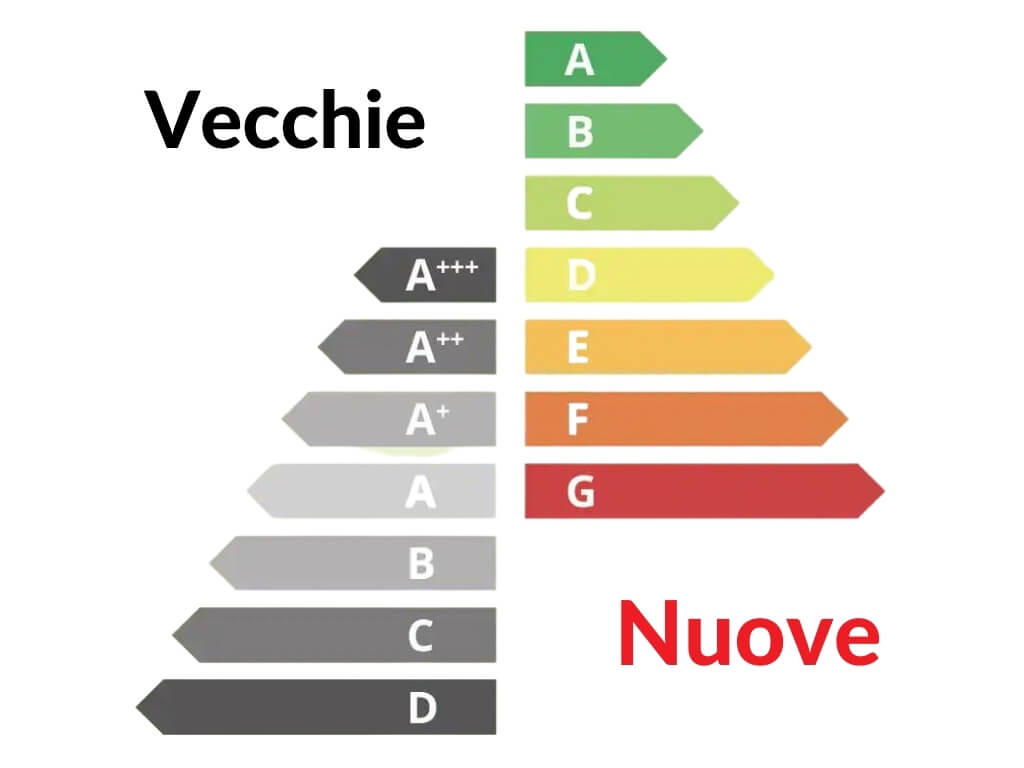
Energy class : A or higher is best to save money
Conclusion
Choosing the right kitchen hood means combining functionality, power, and style . Carefully consider the available space, your usual cooking style, and the desired aesthetic impact. A well-chosen hood will improve not only the air you breathe, but also your cooking experience.


Leave a comment
All comments are moderated before being published.
This site is protected by hCaptcha and the hCaptcha Privacy Policy and Terms of Service apply.