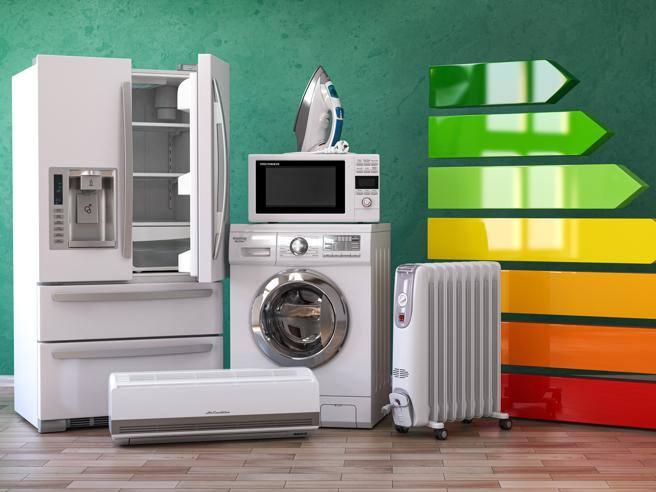
Kitchen appliances are essential to everyday life, but they also represent a major source of energy consumption in the home. Proper use and optimal management can significantly reduce the impact on your energy bill. Here's a practical guide on how to optimize the use of kitchen appliances to save energy and money.
1. Choose Efficient Appliances
The first step to reducing energy consumption is choosing energy-efficient appliances. Appliances rated A+++ are more efficient and consume up to 50% less energy than those rated lower. When purchasing a new appliance, it's important to pay attention to the energy label and choose models with high energy performance.
2. Using the Oven
The oven is one of the appliances that consumes the most energy, but there are ways to optimize its use:
- Preheating : Preheat the oven only when necessary and avoid overheating. Many dishes can be cooked without preheating.
- Turn off the oven before the end of cooking : Turning off the oven 5-10 minutes before the end of cooking time can reduce consumption without compromising the result.
- Cooking multiple dishes at once : If possible, cook multiple foods at the same time using the available heat.
- Using a fan oven : The fan oven allows heat to be distributed evenly, reducing cooking times and, consequently, energy consumption.
3. Refrigerator Management
The refrigerator is an appliance that is always on, so it is essential to manage it correctly:
- Optimal temperature : Keep the refrigerator at a temperature between 4°C and 5°C, while the freezer should be at -18°C. Temperatures that are too low increase consumption without any real benefits.
- Don't overload : An overfilled or overempty refrigerator operates inefficiently. It's important to leave room for air circulation.
- Defrost regularly : Defrosting your freezer helps reduce energy consumption. An excessive layer of ice creates insulation that increases energy consumption.
- Airtight seal : Check door seals periodically to ensure there are no air leaks. Worn seals can cause energy loss.
4. Dishwasher: Use it intelligently
The dishwasher can be very efficient, but only if used correctly:
- Fill it correctly : Only run the dishwasher when it is full, but without overloading it, to ensure an effective wash cycle.
- Eco Programs : Most modern dishwashers have an Eco program, which uses less water and consumes less energy than standard cycles.
- Use air drying : If possible, avoid the hot air drying function and let the dishes dry in the open air.
5. Using the Hob
Even the hob can be managed more efficiently:
- Pots with lids : Always using a lid when cooking reduces heat loss, speeding up cooking times and saving energy.
- Suitable cookware : Make sure your cookware has a flat bottom and is suitable for the size of your burner. Using a small pot on a large burner wastes energy.
- Induction Oven : If you're thinking of replacing your hob, consider induction, which is much more efficient than traditional gas or electric hobs.
6. The Microwave is Your Ally
Microwaves use much less energy than traditional ovens and can be used to reheat or cook small meals with remarkable efficiency. Whenever possible, use the microwave to reheat food instead of the oven or stovetop.
7. Care and Maintenance of Household Appliances
Regular maintenance is essential to keep appliances running efficiently. Regularly cleaning filters, fans, and other mechanical parts reduces the effort required by appliances, reducing energy consumption.
8. Reduce Standby Power Consumption
Many appliances consume energy even when in standby mode. Using power strips with switches to completely turn off appliances when not in use is a great way to reduce hidden energy consumption.
9. Plan your consumption with time slots
If you have a time-of-day electricity plan, it's helpful to schedule the use of energy-hungry appliances, such as dishwashers and washing machines, during the off-peak hours (usually evenings or weekends). Many appliances have delayed start functions, allowing you to schedule cycles at the most convenient times.
Conclusion
Saving energy when managing kitchen appliances is a combination of conscious choices and small changes in daily habits. Investing in efficient appliances, using them wisely, and performing regular maintenance can significantly reduce consumption, with a positive impact on your bills and the environment.



Leave a comment
All comments are moderated before being published.
This site is protected by hCaptcha and the hCaptcha Privacy Policy and Terms of Service apply.