The combined gas-induction hob represents one of the most versatile and intelligent solutions for those who want to cook healthily, quickly and efficiently , without sacrificing control and tradition.
What is a mixed hob?
A combined gas and induction hob integrates two complementary technologies:
-
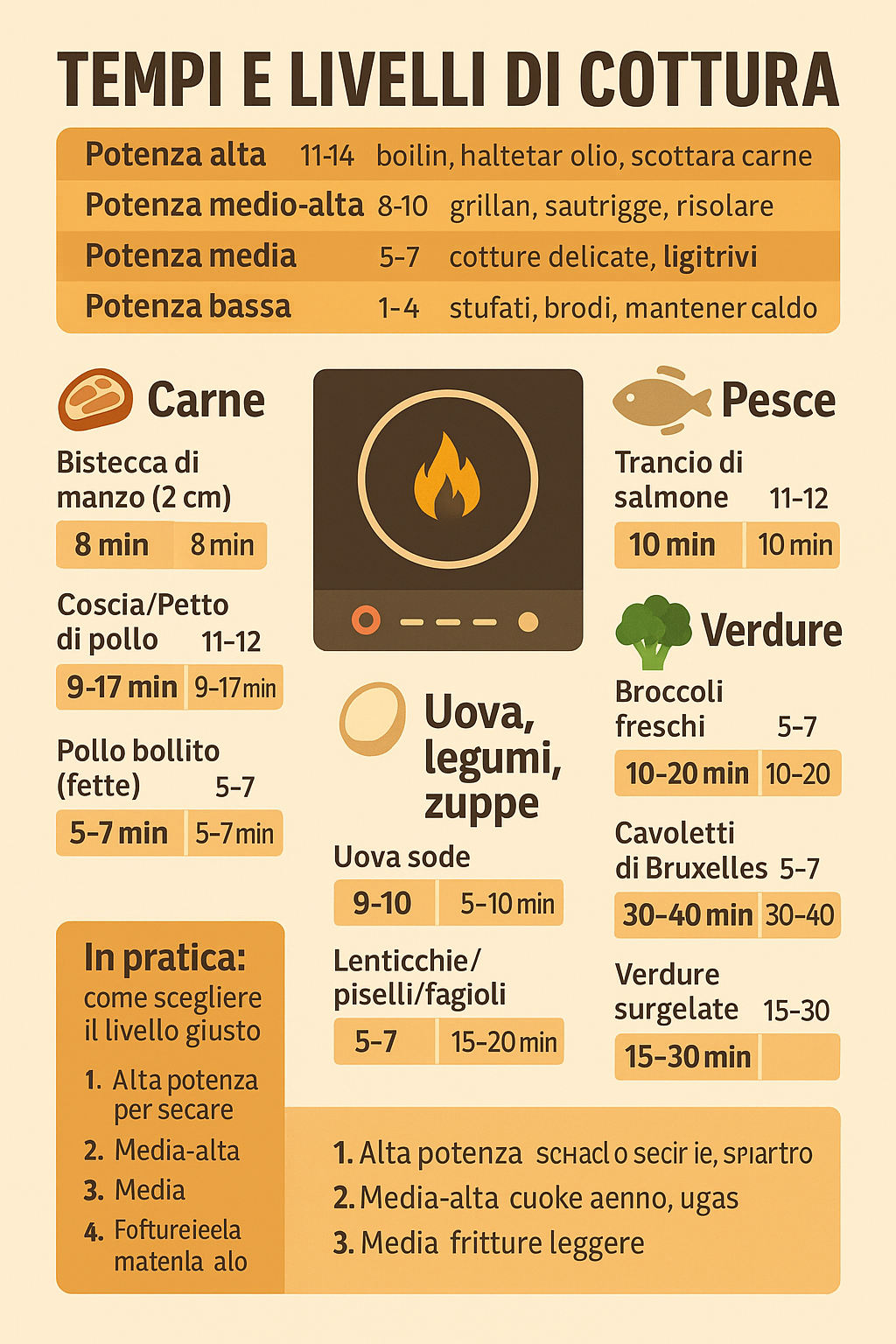
Induction , perfect for precise cooking at low temperatures, ideal for healthy dishes such as vegetables, legumes and soups.
-
Gas , suitable for browning, traditional cooking and preparations that require greater flame adaptability.
This combination allows you to adapt the cooking technique to the ingredients , optimizing time, energy and yield of the dish.
Why choose combined cooking?
Those who choose a combined gas-induction hob often have these priorities:
✅ Want to save energy by using the induction zone for quick cooking
✅ Appreciate the reactivity of the gas for traditional preparations
✅ Do you want healthier cooking , using less oil and more steam?
✅ Love the flexibility , being able to cook multiple dishes at the same time using different techniques
🔎Combined gas and induction hob in a single solution.
Healthy recipe with combined cooking: Tuscan soup with black cabbage and legumes
A traditional Tuscan peasant recipe, perfect for taking advantage of both hob technologies : induction steam and gas stewing.
Ingredients for 4 people:
-
200 g of already cooked cannellini beans
-
150 g of black cabbage
-
2 potatoes
-
1 red onion
-
2 carrots
-
1 celery stalk
-
1 sprig of rosemary
-
4 slices of wholemeal Tuscan bread
-
Extra virgin olive oil, salt and pepper to taste
Procedure:
-
Induction zone
In a saucepan, steam the diced potatoes and cavolo nero for about 10 minutes. Steaming preserves vitamins and antioxidants . -
Gas zone
In a pan with a drizzle of oil, sauté the onion, celery, carrot, and rosemary. Add the steamed vegetables, beans, and a ladle of hot water. Simmer over low heat for 20 minutes. -
Toast
Toast the bread slices on the induction hob or in a non-stick pan. -
Plate up
Pour the hot soup over the toasted bread, season with a drizzle of extra virgin olive oil and freshly ground black pepper.
✅ Benefits:
-
Vegetarian and high-fiber recipe
-
Perfect for the cold seasons or to be enjoyed warm in the summer
-
Excellent balance between flavour and lightness
3 concrete advantages of combined gas-induction cooking
1. Energy efficiency
With induction, you cook only where you need it, without waste. Ideal for those looking to save on energy costs.
2. Heat control
The gas flame is perfect for searing and simmering, while induction offers pinpoint control for steaming and boiling.
3. Healthier cooking
You use less fat and exploit gentle techniques (steaming, slow cooking) without losing nutrients and flavor.
Want to know more?
Read also:
👉 How to choose a gas-induction hob: a complete guide
👉 Combined cooking and diabetes
FAQ – Frequently Asked Questions
How does a combined gas-induction hob work?
It's an appliance with induction zones alongside traditional gas burners. The two technologies work in parallel, for flexible and optimized cooking.
Does induction consume more than gas?
No. Induction has a higher thermal efficiency (up to 90%), so it heats up faster and consumes less energy in the long term , especially if used in a targeted way.
What kind of pans do you need for induction?
You need a magnetic bottom. The best ones are made of stainless steel, cast iron, or aluminum with a compatible bottom. Glass, copper, or terracotta are not suitable.
Can you cook healthily on a mixed stove?
Yes, it's ideal! Induction for steaming, boiling, and nonstick pans; gas for sautéing, reducing, or cooking soups and risottos. The result is more control and less fat .
Is the mixed plan also suitable for small spaces?
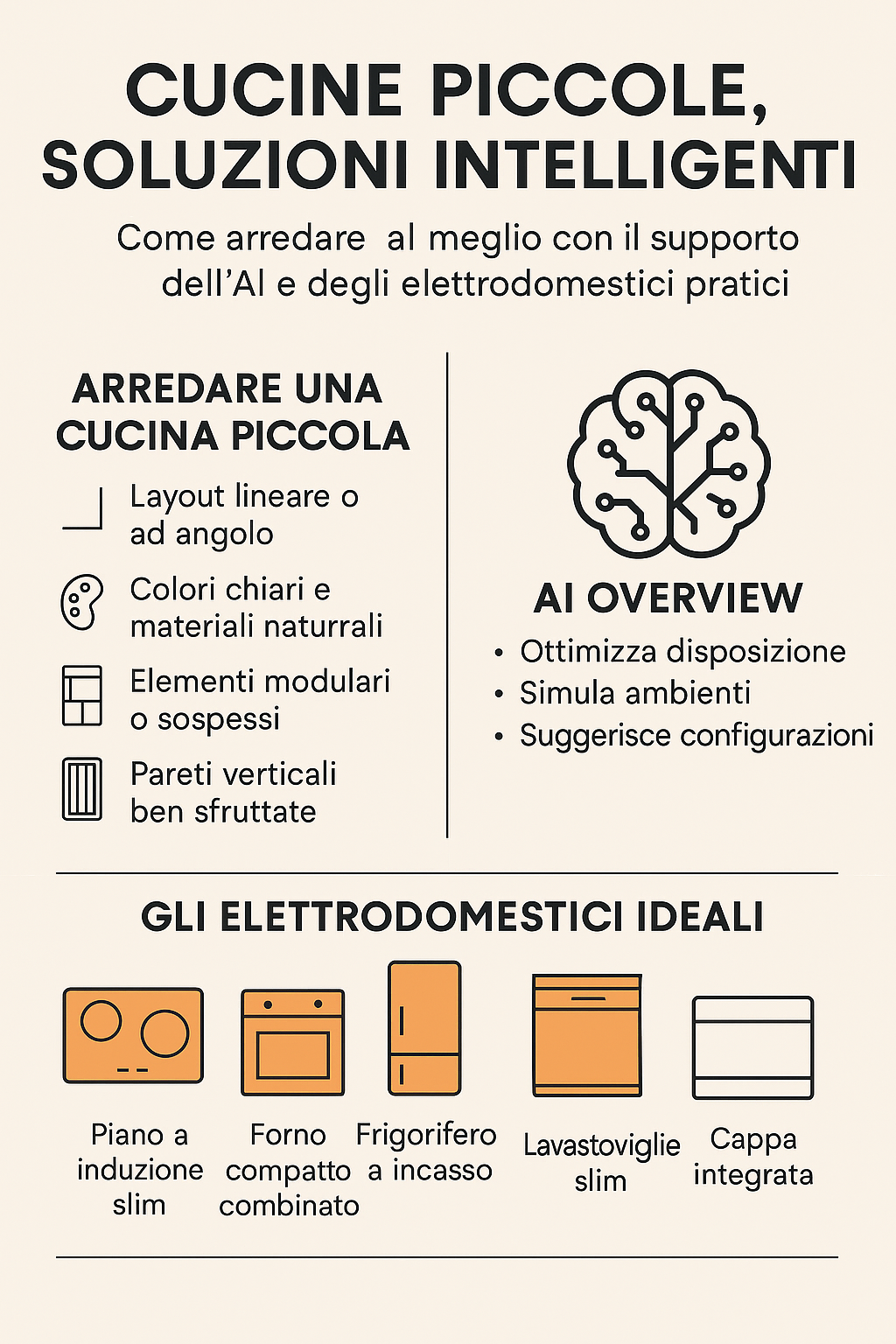
Yes: there are compact hobs (60 cm) with 2 gas burners and 2 induction burners, perfect for small but fully equipped kitchens. Alternatively, separate modules can be combined.
Conclusion
A combined gas-induction hob isn't just a technical choice, but a true ally for healthier, faster, and more flexible cooking. Incorporating combined cooking into your daily routine means improved health, savings, and greater satisfaction at the table.
Have you tried a dual-technology recipe yet? Tell us about it in the comments, or try our revisited Tuscan soup , a balanced classic that speaks a modern language.

Leave a comment
All comments are moderated before being published.
This site is protected by hCaptcha and the hCaptcha Privacy Policy and Terms of Service apply.