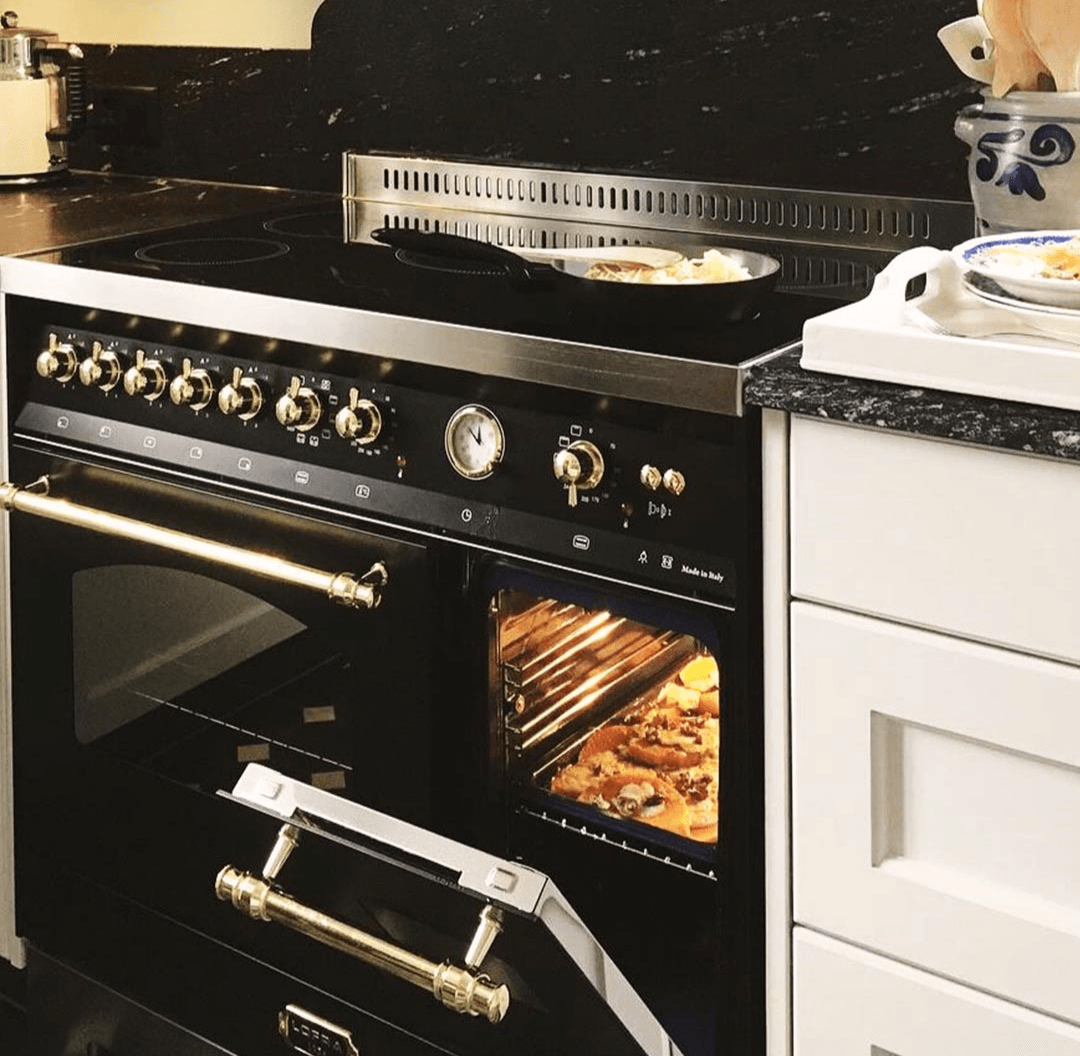
Induction Cooking: The Future of Fast, Sustainable Cooking
Induction cooking is increasingly becoming one of the most efficient, modern, and sustainable solutions for home cooking. This appliance, which uses electromagnetic fields to directly heat pots and pans, offers numerous advantages in terms of energy savings, safety, and convenience. In this article, we'll explore the main benefits of induction cooking, helpful tips for choosing the best product, and why it's an ideal choice for those who want to optimize cooking while also protecting the environment.
1. Energy Efficiency and Savings
One of the major advantages of induction cooking is its energy efficiency . Unlike traditional gas or electric hobs, induction transfers heat directly to the pan, reducing heat loss. This translates into energy savings of up to 70% compared to conventional cooking methods.
- Faster cooking : The speed with which an induction cooktop heats food is astonishing. Water can be brought to a boil in just a few seconds, reducing preparation time.
- Energy saving : Since the heat is concentrated only on the surface in contact with the pan, overheating of the environment is avoided and less energy is used to obtain the same cooking result.
2. Safety and Temperature Control
Induction cooking offers a higher level of safety than traditional hobs. Because it uses a magnetic induction system, the surface of the hob remains relatively cool to the touch. This eliminates the risk of accidental burns and makes cooking safer, especially for families with children.
- Automatic shut-off : Many models have sensors that detect the presence of a pan. If it's removed, the hob automatically shuts off, avoiding waste and reducing the risk of accidents.
- Precise temperature control : Unlike gas stoves, induction cooking allows for extremely precise heat control, ensuring even cooking and preventing food from burning.
3. Modern Design and Easy Cleaning
In addition to their practical benefits, induction hobs boast a sleek, minimalist design that fits perfectly into modern kitchens. Smooth surfaces and no open flames make cooking not only safer but also easier to clean.
- Quick and easy cleaning : Since only the area under the pan heats up, any food splashes won't get stuck on the hob, making cleanup extremely quick and easy.
- Scratch resistance : Many models are made of glass ceramic, a scratch-resistant and easy-to-maintain material.
4. Sustainability and Environmental Impact
Choosing an induction cooktop is not only a smart decision for saving money, but also an environmentally friendly one. Thanks to its energy efficiency, it helps reduce the carbon footprint associated with the use of household appliances. Furthermore, by using less energy and improving heat management, it limits the consumption of natural resources.
5. What to Consider When Choosing an Induction Cooktop
When choosing an induction cooktop, it's important to consider a few factors to ensure you're purchasing the model that best suits your needs. Here are some key factors to consider:
a) Number of Cooking Zones
Induction cooktops are available with varying numbers of cooking zones, from compact models with two zones to larger ones with four or five zones. The choice depends on the type of kitchen and the amount of food you typically prepare. If you have a large family or cook multiple dishes at once, opting for a hob with more zones might be the right choice.
b) Power and Consumption
The power of an induction cooktop is expressed in kW (kilowatts). More powerful models ensure faster cooking, but it's important to check that your home's electrical system is adequate to handle that power. Some models offer the ability to adjust the power limit to avoid overloading the electrical system.
c) Additional Functions
Modern induction cooktops often include extra features that can enhance the cooking experience:
- Boost function : Allows you to temporarily increase the power of a cooking zone to speed up heating times.
- Timer and Automatic Switch-off : Useful functions for programming cooking duration and reducing consumption.
d) Hob Material
Most induction hobs are made of glass-ceramic or tempered glass . Glass-ceramic is heat and scratch resistant, easy to clean, and offers an elegant aesthetic. However, it's important to handle pots and utensils with care to avoid scratching the surface.
e) Compatibility with pots and pans
Induction cooktops only work with pots and pans made of ferromagnetic materials, such as stainless steel or cast iron. Check to see if your kitchen equipment is compatible or, if necessary, consider purchasing a cookware set specifically designed for induction.
f) Budget and Brand
There are numerous induction cooktop models on the market, with prices varying significantly based on features and size. It's important to set a budget and evaluate the features of each model based on your needs. Investing in a reliable brand ensures greater product durability and better after-sales service.
Conclusion
Induction cooking is a modern, efficient, and safe cooking tool, ideal for those seeking a solution that combines energy savings, speed, and convenience. However, to make the right choice, it's essential to carefully consider the number of cooking zones, power, additional functions, and compatibility with kitchen utensils. Investing in a good induction cooktop means not only improving your cooking experience but also taking a step toward a more sustainable and environmentally friendly lifestyle.
Choosing an induction hob means investing in forward-looking technology, ensuring sustainable, safe, and cutting-edge cooking.
Visit our store and choose the product that's right for you. Email us with this item and you'll receive a discount on your first purchase.


Leave a comment
All comments are moderated before being published.
This site is protected by hCaptcha and the hCaptcha Privacy Policy and Terms of Service apply.