A Complete Guide to the Meter and Power Requirements for an Induction Cooker
Induction cooktops are becoming increasingly popular due to their energy efficiency, safety, and cooking speed. However, to properly install an induction cooktop, it's essential to understand the type of counter and the required power. In this article, we'll examine these crucial aspects in detail.
What is an Induction Cooktop?
An induction cooktop uses electromagnetic fields to directly heat pots and pans, rather than heating the hob itself. This cooking method is much more efficient than traditional methods, as it reduces heat loss and speeds up cooking times.
The Type of Counter Needed
Choosing the right electricity meter is crucial to ensuring your induction cooktop functions properly. Household electricity meters generally fall into two types:
-
Single-phase meter (230V):
- Most Italian homes use single-phase meters.
- Suitable for induction hobs with power up to 7 kW.
- Recommended for standard home use, where the induction hob is not the only major energy consumer.
-
Three-phase meter (400V):
- Used in homes with higher energy needs.
- It can handle higher electrical loads, up to 11 kW or more.
- Ideal for homes with multiple energy-intensive appliances, including electric furnaces, powerful air conditioners, and other appliances.
Power Required for an Induction Cooker
The power required for an induction cooktop depends on the number of cooking zones and the technical specifications of the chosen model. Here's an overview of typical power ratings:
-
2-Zone Induction Cooker:
- Total power: approximately 3-4 kW.
- Suitable for small families or for those who use the kitchen in a non-intensive way.
-
4-Zone Induction Cooker:
- Total power: approximately 6-7 kW.
- Suitable for medium to large families, or for those who like to cook frequently.
-
Induction cooker with 5 or more zones:
- Total power: 7-11 kW or more.
- Ideal for cooking enthusiasts and homes with high energy needs.
Installation Considerations
-
Contractual Power Verification:
- Check your contract with your energy provider to make sure you have enough power available.
- You may need to increase your contracted power (for example, from 3 kW to 6 kW) to support induction cooking.
-
Electrical System:
- Make sure your home's electrical system is adequate and compliant with regulations.
- An upgrade to your system or the installation of a dedicated circuit breaker for your induction hob may be necessary.
-
Professional Assistance:
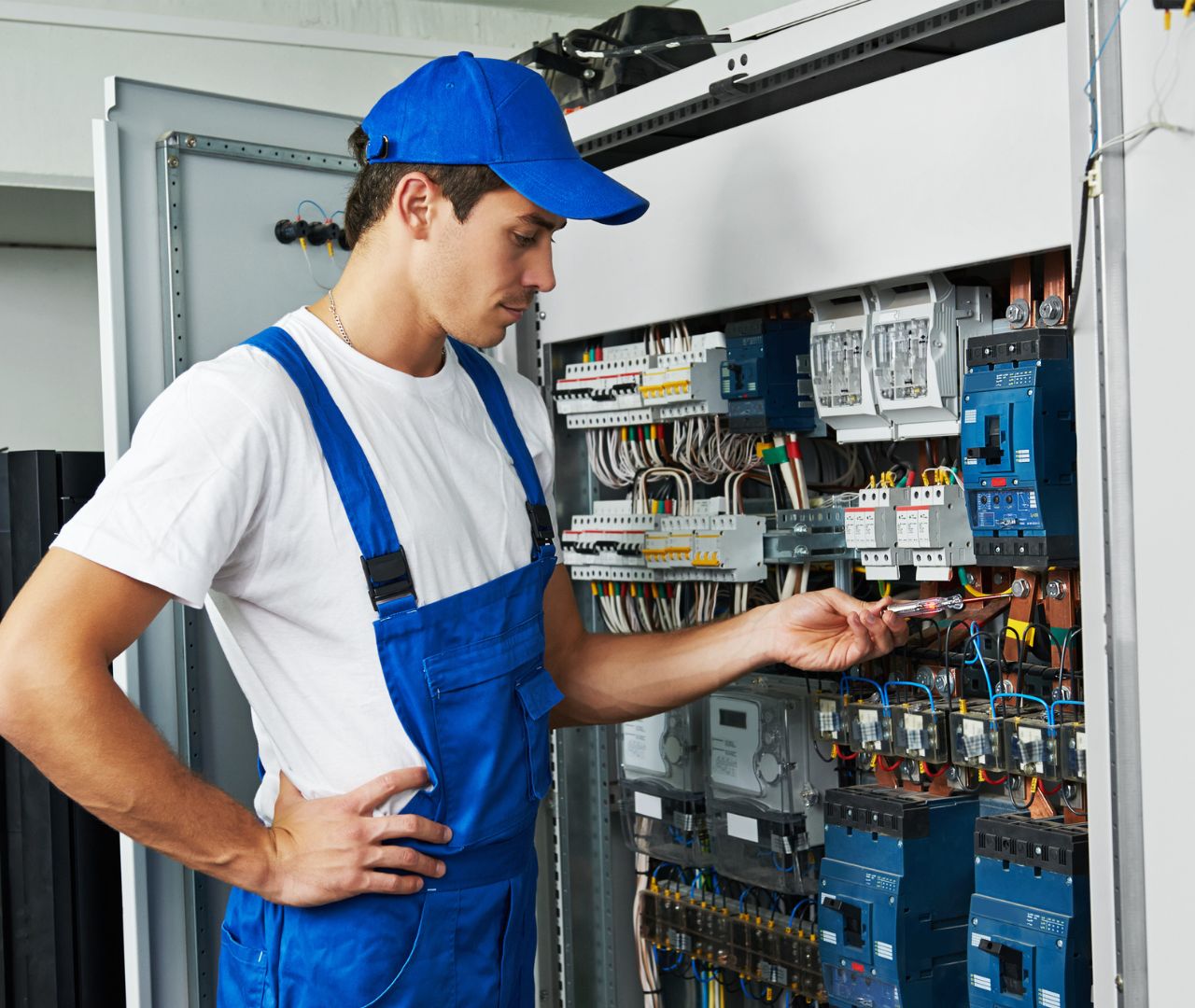
- Consult a qualified electrician for induction cooktop installation.
- A professional can help you determine the optimal meter configuration and ensure a safe and efficient installation.
Conclusion
Investing in an induction cooktop is a smart choice for improving the energy efficiency and safety of your kitchen. However, it's essential to understand the type of meter and the power required to ensure proper and optimal installation. Always check with a professional and your energy provider to ensure you have all the resources needed to power your new induction cooktop.
Visit our store and choose the product that's right for you. Contact us with this article and we'll give you a discount on your first purchase.


Leave a comment
All comments are moderated before being published.
This site is protected by hCaptcha and the hCaptcha Privacy Policy and Terms of Service apply.