
Helpful tips for installing a built-in oven
Installing a built-in oven requires attention and care to ensure safe and efficient operation. Following a few basic guidelines can make the difference between a quick installation and a lengthy repair process. Here are the main points to consider.
1. Check the size of the space
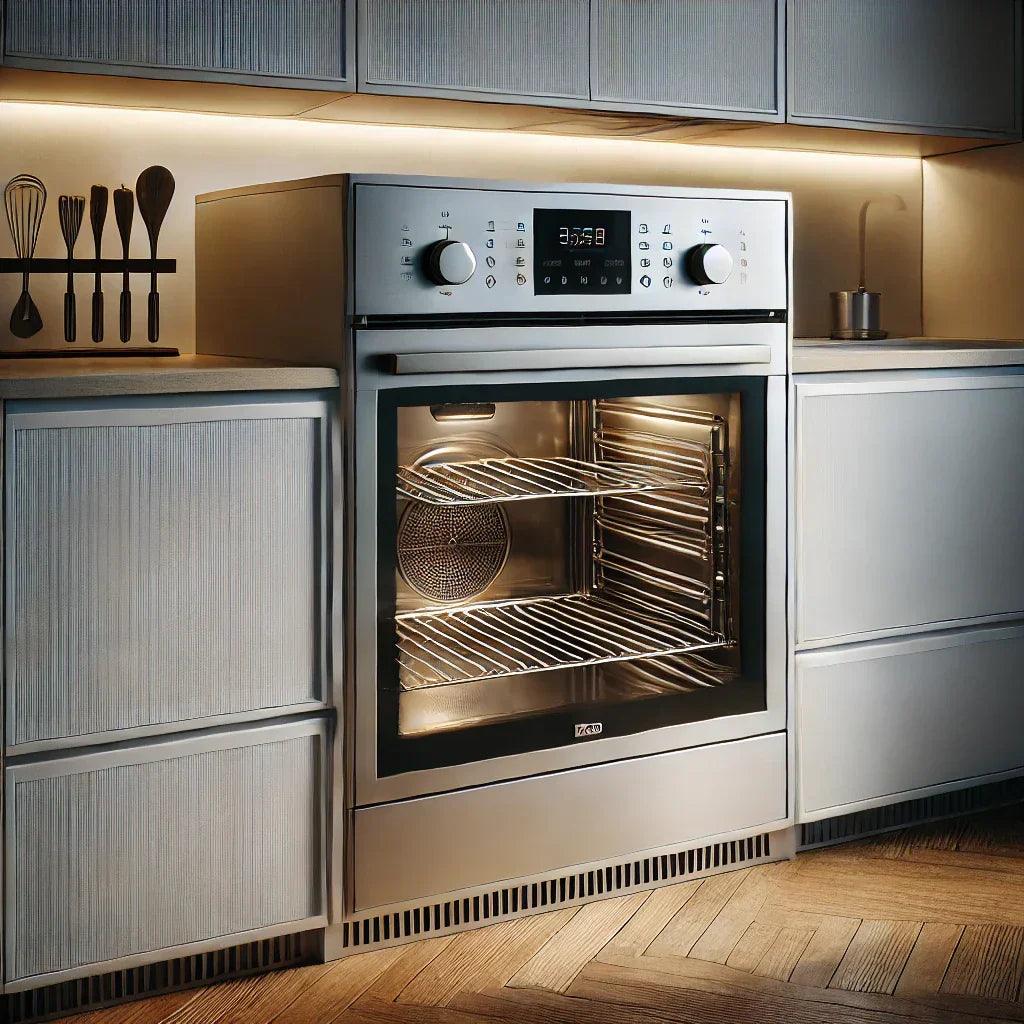
Before purchasing a built-in oven, it's essential to carefully measure the available space in your kitchen cabinet. The standard dimensions of a built-in oven are usually 60 cm wide, but compact (45 cm) or larger (90 cm) models are available for specific needs. Make sure the cabinet is the right size and that there's enough space for ventilation.
2. Check the ventilation system
A built-in oven generates heat, so proper air circulation is essential. Most ovens require clearance behind and underneath the cabinet to allow for proper ventilation. Consult the manufacturer's manual for specifics regarding required ventilation clearances.
3. Electrical connection
Before installation, check that the electrical system complies with the oven's requirements. Check:
-
Available electrical power : A standard built-in oven generally requires a power of 220-240V.
-
Presence of an adequate outlet : Make sure that there is a grounded electrical outlet near the compartment.
-
System protection : Install a differential switch or circuit breaker to protect the circuit. If in doubt, it's always best to consult a qualified electrician.
4. Securely fixing the oven
Once the oven is placed in the cabinet, it's important to secure it securely to prevent movement or vibration during use. Most ovens come with specific mounting brackets or screws. Follow the manufacturer's instructions carefully.
5. Thermal insulation
Make sure the cabinet materials are heat-resistant and that the oven is well insulated to prevent damage to surrounding cabinets. Some ovens include additional insulation panels for added protection.
6. Functional test
After completing the installation, turn on the oven to verify that it is working properly. Check that all functions (ventilation, grill, interior lights) are working and that there are no connection or overheating issues.
7. Trust a professional
If you're inexperienced with installing appliances, it's always advisable to rely on a qualified technician. This not only ensures proper installation, but also compliance with safety regulations.
Conclusions
Installing a built-in oven may seem like a simple task, but it requires attention to detail to ensure safety and functionality. Accurate measurements, good ventilation, proper electrical connection, and secure mounting are all essential. With a little preparation or the help of an expert, your oven will be ready to help you prepare delicious dishes.


Leave a comment
All comments are moderated before being published.
This site is protected by hCaptcha and the hCaptcha Privacy Policy and Terms of Service apply.