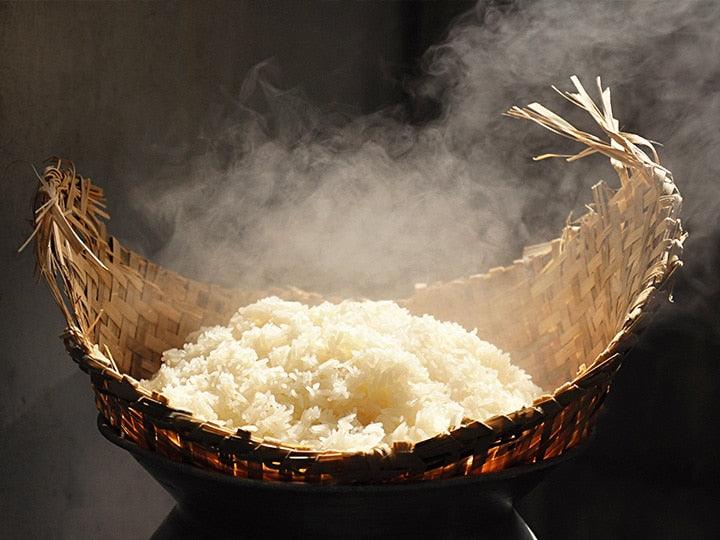
The Goodness of Steam Cooking and the Simplicity of Pressure Cooking
Steaming and pressure cooking are two cooking methods that are rapidly becoming popular in kitchens around the world, thanks to their health benefits and ability to preserve the natural flavors of foods. In this article, we'll explore why these two cooking methods are so popular, what benefits they offer, and how to best use them to prepare tasty and nutritious dishes.
The Benefits of Steaming
Steaming is an age-old technique used by various cultures to cook foods healthily, preserving nutrients and organoleptic properties. But why is it so effective, and why are more and more people choosing this method?
-
Nutrient Preservation
One of the greatest advantages of steaming is its ability to preserve the vitamins and minerals present in foods. Unlike boiling, which disperses nutrients into the water, steaming allows you to cook without losing these important elements. For example, vitamin C and B complex, which are often sensitive to heat, are retained in much higher percentages when steamed. -
Reduction of fat use
Steaming allows you to cook without using oil or butter. This not only reduces calories, but also makes food lighter and more easily digestible. It's an excellent choice for those who want to reduce their calorie intake without sacrificing flavor. -
Respect for Natural Flavors
Steam cooks foods evenly, preserving their natural flavor. Steamed vegetables, fish, chicken, and even some desserts are fresh and flavorful, while maintaining a delicious texture. This cooking method is perfect for those who enjoy the authentic flavor of ingredients. -
Versatility
It's not just vegetables: many foods can be steamed, including meat, fish, and even rice. Furthermore, modern steamers offer multiple settings for cooking multiple dishes at once, making meal preparation quick and efficient.
The Ease of Pressure Cooking: How It Works and Why You Should Use It
Pressure cooking is another effective method that allows you to cook quickly while preserving high nutritional value. But how does pressure cooking work? This technique uses steam and pressure to raise the boiling point of water, cooking food faster than traditional methods.
-
Time Saving
One of the main advantages of pressure cooking is speed. With pressure, heat penetrates food quickly, allowing you to cook dishes that would normally take hours in just 15-30 minutes. It's ideal for those who are short on time but still want to prepare nutritious, homemade meals. -
Nutrient Preservation
Pressure cooking, like steaming, also preserves nutrients. Faster cooking reduces heat exposure time and minimizes the loss of vitamins and minerals. Many studies have shown that pressure cooking is particularly effective at preserving vitamin C and polyphenols, valuable antioxidants. -
Energy Saving
The speed of pressure cooking also saves energy. Less time on the stove means less gas or electricity consumption, making this cooking method not only convenient but also environmentally friendly. -
Ease of Use with Modern Devices
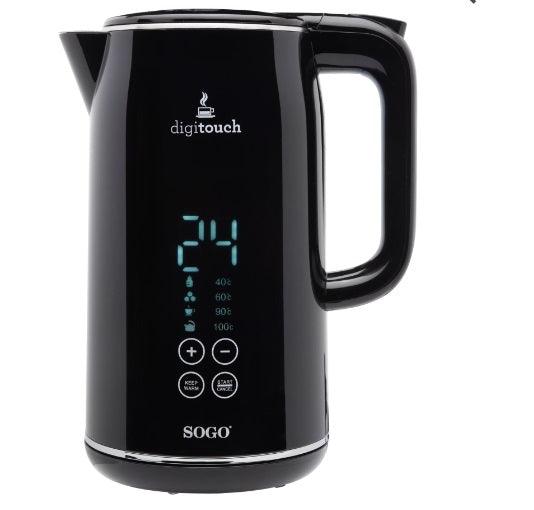
Today, many pressure cookers feature digital settings and advanced safety systems, making pressure cooking even easier and safer than before. Users can set specific cooking times, adjust the pressure, and even program automatic cooking for a more convenient experience.
Which Method to Choose?
Both methods—steaming and pressure cooking—offer unique benefits, but which should you choose? Here are some considerations to help you decide:
- For light and tasty dishes : Steaming is the best option. If you love crunchy, flavorful vegetables, delicate fish, or want to reduce fat, steaming is perfect for you.
- For complex dishes and time savings : If you're short on time and want to prepare dishes like stews, soups, or foods that require long cooking times, a pressure cooker is ideal. In just a few minutes, you can create flavorful, nutritious dishes while saving energy.
Practical Tips for Making the Most of Steam and Pressure Cooking
-
Experiment with Spices : Whether you're steaming or pressure cooking, adding herbs and spices during cooking can intensify flavors without having to add fatty seasonings or sauces.
-
Choose a suitable pot : If you choose pressure cooking, opt for a modern pot, perhaps electric and with digital settings, for greater precision and safety.
-
Don't Overfill the Pot : Whether you're steaming or pressure cooking, it's important not to overload the pot to ensure even, optimal cooking.
-
Experiment with Food Combinations : In a pressure cooker or steamer, you can cook multiple foods at once (e.g., rice and vegetables), saving time and making a complete meal.

Leave a comment
All comments are moderated before being published.
This site is protected by hCaptcha and the hCaptcha Privacy Policy and Terms of Service apply.