
True Sustainability in Artisan Products: Techniques and Materials for a Responsible Future
In a world increasingly geared towards rapid consumption and mass production, sustainability has become a crucial issue. However, not all forms of sustainability are created equal. True sustainability, the kind that transcends marketing labels, finds one of its most authentic expressions in artisanal products. Through the use of traditional techniques and local or recycled materials, artisans manage to combine beauty, ethics, and respect for the environment.
1. Traditional Techniques: A Heritage to be Promoted
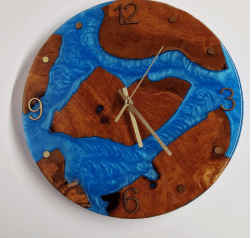
Artisanal techniques passed down from generation to generation represent a sustainable response to industrial production. These techniques require skill, time, and attention to detail, but they guarantee long-lasting and often one-of-a-kind products. This is why wooden lamps , cutting boards, and ceramics are so sought-after.
- Manual processing: Reduces energy consumption, avoiding the massive use of polluting machinery.
- Repairability: Handcrafted products are often designed to be repaired rather than replaced, thus reducing waste.
- Small-scale production: This approach limits overproduction and, consequently, environmental impact.
One example is hand weaving, which in many cultures uses traditional looms and ancient techniques to create long-lasting, low-impact fabrics.
2. Natural and Local Materials: The Search for Sustainable Raw Materials
The choice of materials plays a key role in the sustainability of artisanal products. Artisans often use renewable, local, or recycled resources, thus reducing their ecological footprint.
- Natural fibers: Organic cotton, linen, hemp, and wool are preferred over synthetic fibers.
- Local wood: Sourced from sustainably managed forests, it guarantees long-lasting and biodegradable products.
- Natural Colorants: Using plant or mineral pigments reduces the use of harmful chemicals.
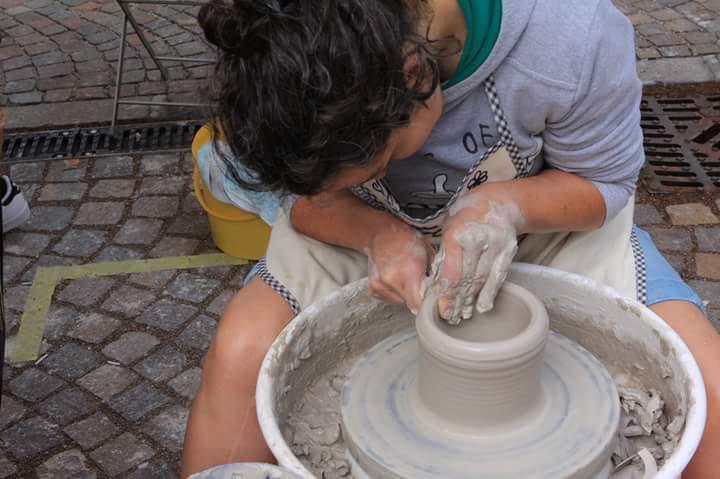
For example, artisanal ceramics often use local clays and natural glazes, avoiding the use of toxic substances found in industrial production.
3. Life Cycle of Artisan Products
A fundamental aspect of true sustainability is the product's life cycle. Handcrafted objects are designed to last, and their value increases over time thanks to the quality of their craftsmanship and attention to detail.
- Long-lasting: The quality of the materials and careful workmanship ensure that these products can be used for decades.
- Reuse and Recycle: Handcrafted items can often be transformed or reused, contributing to a circular economy.
4. Social Impact: Humanized Sustainability
In addition to their environmental benefits, artisanal products support local communities and enhance human labor. Each piece is the result of expert hands, stories, and traditions, making every purchase an act of support for the local economy.
- Community Empowerment: Crafts foster the economic development of small communities and preserve cultural traditions.
- Fairness and transparency: Artisans receive fair compensation for their work, unlike many globalized industrial productions.
5. Conclusion: A Sustainable Future through Craftsmanship
True sustainability isn't limited to reducing environmental impact; it encompasses a broader concept that includes the appreciation of traditions, quality, work ethic, and respect for nature. Choosing artisanal products means investing in long-lasting objects, made with love and responsibility, and contributing to a more sustainable and humane future.
In an age of global environmental challenges, craftsmanship represents a concrete way to reduce our impact on the planet, boost the local economy, and appreciate the beauty of uniqueness.

Leave a comment
All comments are moderated before being published.
This site is protected by hCaptcha and the hCaptcha Privacy Policy and Terms of Service apply.