
I don't feel the same taste anymore, what's happening to me?
Introduction
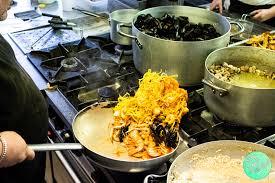
When it comes to cooking, one of the most common questions many food enthusiasts ask is whether using a gas or induction cooktop affects the flavor of food. This debate is fueled by personal preferences, myths, and a certain amount of misinformation. However, numerous culinary experts and scientific studies agree that the type of cooktop does not alter the final flavor of food. Let's take a closer look at the characteristics of the two cooking methods and the reasons why flavors remain unchanged.
Gas hob features
Gas hobs are widely used in both home and professional kitchens. Their main features include:
- Instant temperature control : The flame adjustment allows you to quickly change the heat intensity.
- Even heat distribution : The flame surrounds the pan, ensuring even heat distribution.
- Versatility : Works with any type of pan, regardless of material.
Features of the induction hob
The induction hob, on the other hand, is a more recent technology and works through magnetic fields that directly heat the pan. Its main features are:
- Energy efficiency : Heats only the pan, reducing heat loss.
- Speed : Brings foods to a boil faster than traditional methods.
- Safety : The hob surface remains relatively cool, reducing the risk of burns.
Food Flavor Analysis
The flavor of food is determined by various factors, including the ingredients used, cooking methods, and culinary techniques. Cooktops, whether gas or induction, provide the heat needed for cooking, but they do not directly participate in the chemical reaction that generates flavors.
- Chemical reactions : Maillard and caramelization, crucial reactions for flavor development, depend on cooking temperature and time, not the type of heat source.
- Uniformity of heat : Both methods, if used correctly, can ensure even heat distribution, essential for even cooking.
- Temperature Control : While gas allows for more immediate control, induction also offers precision adjustments, while still ensuring optimal results.
Chef's opinion
To delve deeper, we consulted Chef Marco Rossi, a renowned culinary expert with years of experience in both professional and home kitchens. According to Rossi:
The type of cooktop doesn't affect the final flavor of food. The real difference lies in cooking techniques and the quality of ingredients. A gas cooktop may offer more immediate temperature control, while induction can be more efficient and safe. However, what really matters is how you use the heat and how carefully you cook.
These words underline that the chef's skill and approach to cooking are the key elements to obtaining dishes with exceptional flavour.
Conclusions
There is no scientific evidence that food flavors change depending on the type of cooktop used. Both methods offer specific advantages that can affect the cooking experience, but not the final flavor. The choice between a gas or induction cooktop should therefore be based on personal preference, specific cooking needs, and practical considerations, rather than on the belief that one will improve flavor over the other.
Ultimately, regardless of the type of cooktop you choose, the key to delicious-tasting food lies in the chef, his or her techniques, and the quality of the ingredients used.