
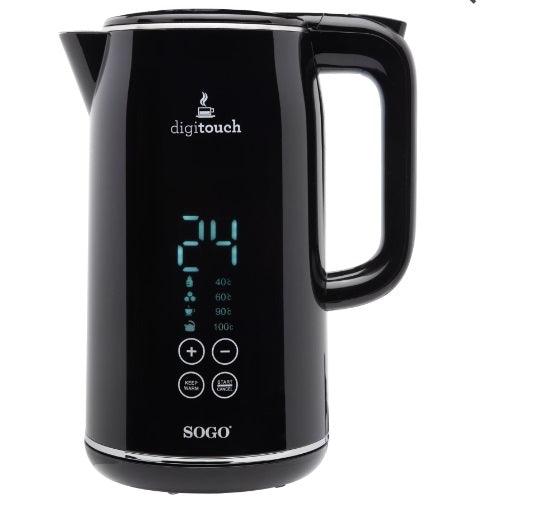
Each food has its own temperature
The Ideal Temperatures for Heating Liquids and the Advantages of the Electric Kettle
Heating liquids to the right temperatures is essential for achieving the best flavor and highest quality in drinks and preparations. Temperatures can vary greatly depending on the type of liquid, from more delicate liquids like milk and tea to those requiring high heat like broth. In this context, the electric kettle becomes an indispensable ally in the kitchen, thanks to its ability to quickly and precisely heat liquids to the desired temperature.
1. Tea: Different Temperatures for Each Variety
Each type of tea requires a specific temperature to best express its organoleptic characteristics:
-
Green tea : Between 70 and 80°C. At too high a temperature, green tea can become bitter. An electric kettle with adjustable temperature settings allows you to set the optimal temperature for this variety.
-
White tea : 70-80°C. Like green tea, it is delicate and requires moderate temperatures to preserve its light flavor.
-
Black tea : 90-100°C. This variety tolerates higher temperatures, allowing for the full extraction of more intense and full-bodied aromas.
-
Oolong Tea : Between 80 and 90°C. This medium temperature enhances the complexity of aromas and the delicate profile.
With an electric kettle featuring precise temperature control, you can heat water in minutes, achieving the perfect temperature for your favorite type of tea every time.
2. Coffee: The Ideal Temperature for Maximum Aroma
Coffee, especially instant coffee, also needs the right temperature to fully unleash its flavor. Water for instant coffee should be heated to around 85-90°C . If the water is too hot, you risk burning the coffee grounds, creating a bitter and unpleasant taste.
An electric kettle can easily be set to this temperature, making coffee preparation easier and allowing you to enjoy a balanced aroma.
3. Milk: Heating for Latte, Cappuccino and Other Drinks
Milk is a delicate liquid that, if heated excessively, can burn or alter its natural flavor. The ideal temperature for heating milk is around 60-65°C , perfect for a creamy latte or cappuccino.
Some electric kettles allow you to adjust the temperature, which is useful for heating milk without burning it, keeping its sweet, pleasant taste intact.
4. Broth and Soups: Boiling Temperatures for Quick Meals
For liquids like broth or instant soups, the ideal temperature is around 100°C , which allows you to quickly prepare warm and comforting dishes. Heating these liquids to boiling point is essential to ensure they are ready to eat and, above all, to ensure any dehydrated ingredients (like vegetables in instant soups) rehydrate properly.
An electric kettle can bring water to a boil very quickly, allowing you to prepare soups or broths without having to wait for a pot to slowly heat on the stove.
5. Baby Food and Bottles: Gentle Temperatures for Baby Safety
To prepare baby food and bottles, you need to use warm water, usually around 37-40°C , to avoid scalding and preserve nutrients. Some modern electric kettles allow you to select low temperatures, providing a practical and safe solution for parents of small children.
Advantages of the Electric Kettle for Heating Liquids
a) Speed and Convenience
The electric kettle allows you to heat water much faster than traditional methods, which is extremely useful for preparing hot drinks or soups in just a few minutes.
b) Temperature Accuracy
The ability to precisely set the temperature makes the electric kettle a versatile tool, capable of meeting the needs of any preparation, from tea to broth. This prevents the risk of burning or overheating liquids.
c) Energy Efficiency
Unlike a saucepan on the stove, an electric kettle minimizes heat loss, making it more efficient and consuming less energy. Furthermore, many models turn off automatically when the desired temperature is reached, avoiding waste.
d) Security
The electric kettle features an automatic shut-off system that reduces the risk of overheating and household accidents. This feature is especially useful when heating liquids for children or when the appliance is used frequently.