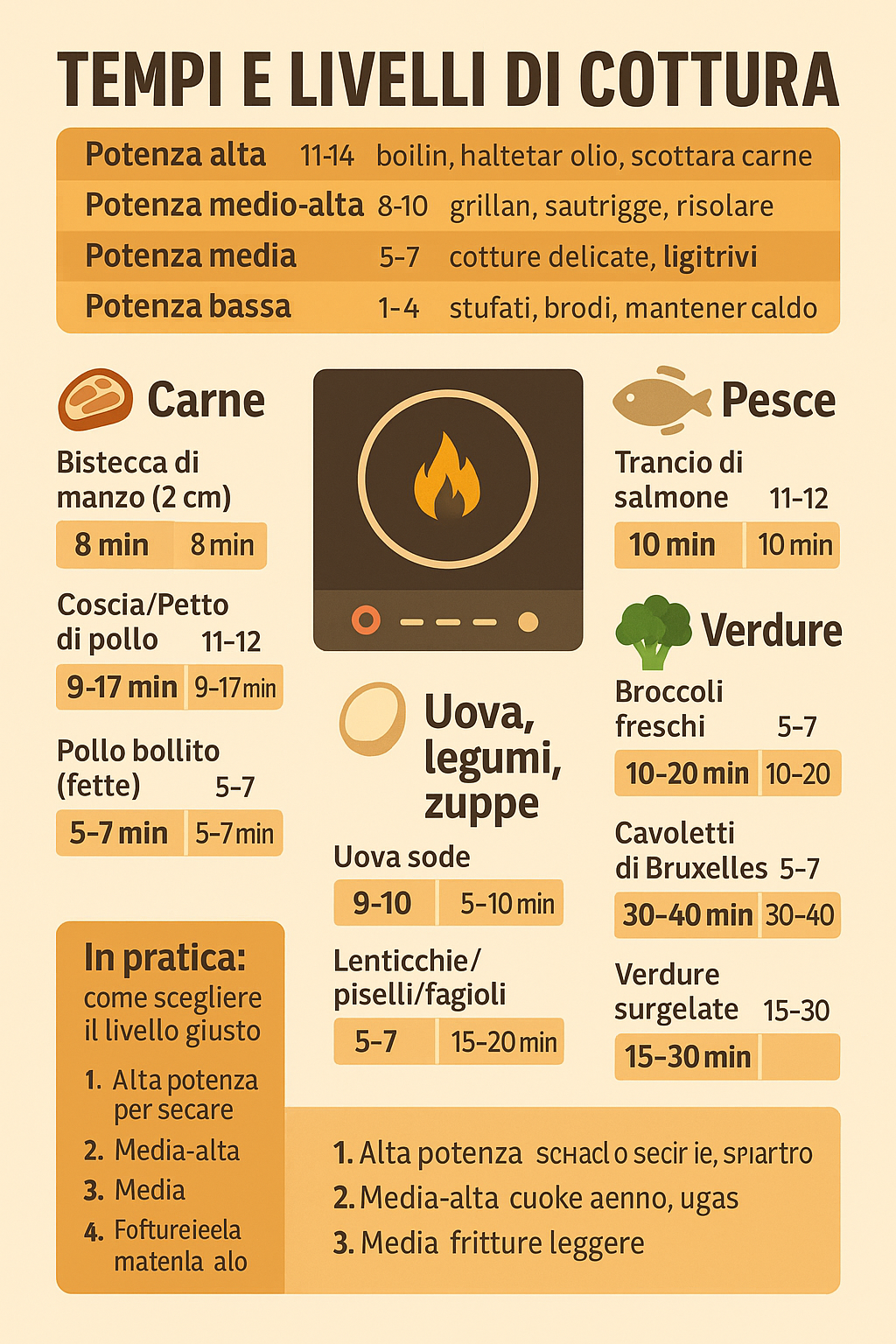
The induction hob is now a must in modern kitchens: elegant design, easy cleaning, quick cooking and precise temperature control.
Yet, one question keeps coming back: is induction hobs bad for you?
In this article, we analyze the main concerns, from electromagnetic waves to energy consumption , up to the choice of quality models that offer greater safety and durability.
Induction hobs and electromagnetic waves: myth or reality?
Induction cooking relies on an electromagnetic field that directly heats the bottom of the pan. This raises health concerns.
-
The waves emitted are very low frequency , similar to those of hair dryers or wireless chargers.
-
As the distance increases, the intensity drops to almost zero: 10-15 cm is enough.
-
Medium-high models integrate shields to further reduce exposure.
👉 There is no evidence that induction hobs are dangerous to your health if used correctly.
How to minimize emissions
For those who want to cook with complete peace of mind:
-
Quality pans : thick and magnetic bottom to capture the field optimally.
-
Correct position : maintain a minimum distance during cooking.
-
Certified products : guarantee shielding and safety tests.
-
Dimensional consistency : use pans proportionate to the active area.
It's a bit like listening to a sweet melody – like “Come le onde (sia notte)” – that envelops you without disturbing you.
Induction hobs: how much energy do they really consume?
Many people think that induction “consumes too much”, but the reality is more balanced:
-
Maximum power: up to 7 kW , but only for short peaks.
-
Efficiency: over 90% of the energy transferred to the food (with gas a lot is lost).
-
Daily use: Actual consumption is lower than gas, especially with suitable pans.
👉 In short, induction is more efficient, faster, and more sustainable when used correctly.
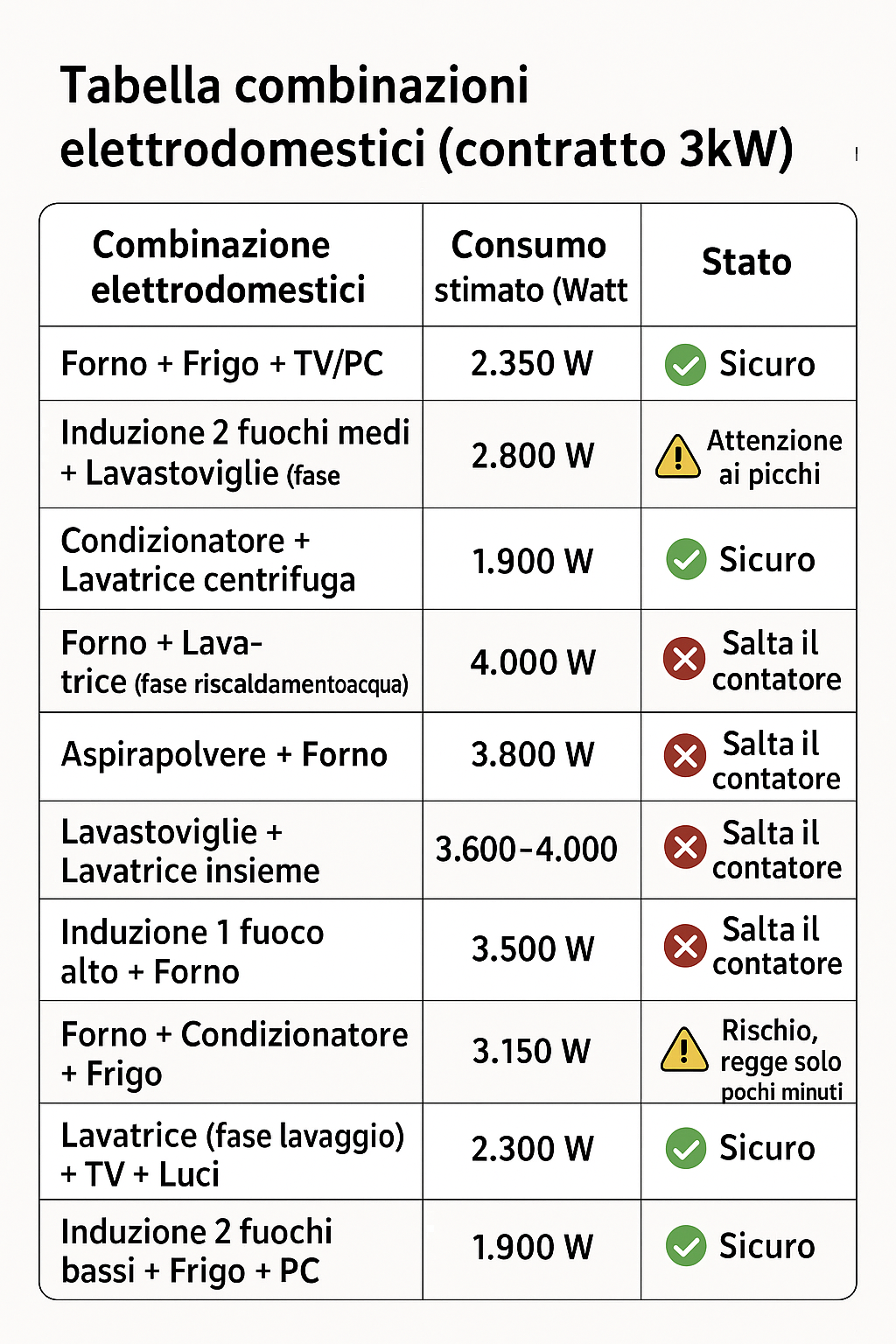
🔎 Find out what the electrical system requirements are
How to choose medium-high quality products
Spending a little more is worth it:
-
Greater shielding against residual waves
-
Intelligent sensors (auto shut-off, pot detection)
-
Longer life and more solid materials
-
Optimized efficiency → less waste and lower costs over time
Investing in a good hob means cooking better and safer.
🔎Discover the products chosen by Rustilia
Conclusion
The induction hob is not harmful: the waves are weak, shielded and easily controlled.
A mid-to-high-end model and a few tricks allow you to cook efficiently, safely, and harmoniously – just like background music that accompanies without disturbing.
Frequently Asked Questions (FAQ)
1. Is an induction hob safe for people with pacemakers?
Generally yes, but it is always best to consult your doctor and maintain a minimum distance when cooking.
2. How long does an induction hob last?
A quality model can last over 10 years if well maintained.
3. Is a dedicated electrical system required?
For high-power models, a 4.5–6 kW meter may be useful, but many hobs have power limiting functions.
4. Is it better than gas?
Yes: it is more efficient, saves time and, in the long run, even energy.

Leave a comment
All comments are moderated before being published.
This site is protected by hCaptcha and the hCaptcha Privacy Policy and Terms of Service apply.