
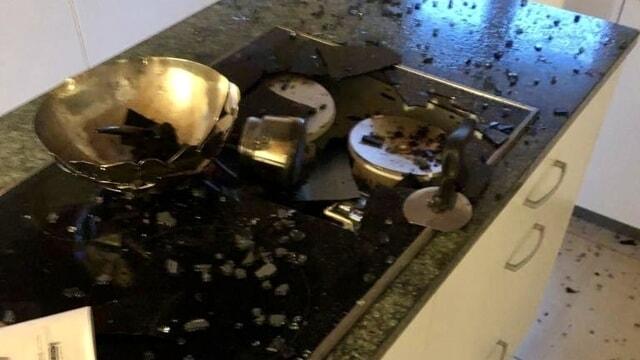
He risks his life due to too much superficiality!
News story that occurred last January in Egna (TN), a man was hit by shrapnel from the explosion.
The Main Disadvantages of an Inexpensive Induction Hob
Induction cooktops are gaining popularity thanks to their energy efficiency and safety features. However, when it comes to budget models, there are several drawbacks that could affect your cooking experience. Here are some of the major drawbacks of a budget induction cooktop.
1. Quality of Materials
Cheaper models often use lower-quality materials than their more expensive counterparts. This can lead to a shorter product lifespan and a greater risk of failure. For example, cheaper glass-ceramic surfaces can be more prone to scratches and breakages, compromising their aesthetics and functionality.
2. Heating Performance
Another common flaw is limited heating power. Cheap induction hobs can have lower power, which means they can take longer to heat pans and cook food. This can be frustrating, especially when you want to cook quickly.
3. Limited Features
Many budget models offer limited features compared to higher-end models. For example, they may lack advanced functions such as precise temperature adjustment, built-in timers, or special cooking modes. These features can make a big difference in the convenience and precision of cooking.
4. Compatibility with Pots
Induction cooktops require specific pans containing ferromagnetic materials. Budget models may have more limited compatibility with various types of pans. Additionally, they may not recognize certain pans correctly, causing interruptions in heating and cooking.
5. Precision and Temperature Control
Temperature precision and control can be less reliable in cheaper models. This can lead to difficulty maintaining consistent temperatures during cooking, negatively impacting the quality of the dishes prepared.
6. Noise
Induction cooktops use fans to cool the internal electronics. In cheaper models, these fans can be noisier, making for a less pleasant cooking experience.
7. Duration of the Warranty
Finally, cheaper induction hobs often offer shorter warranties and less efficient customer support. This can be a problem if the hob develops defects or malfunctions, as you could face significant repair costs.
8. Diameter of Electrical Wires Used in Connections
Budget models often use smaller-gauge wires to reduce production costs. This can cause safety issues, as thin wires can easily overheat, increasing the risk of short circuits and fires. Proper power management is essential for the safe and efficient operation of an induction hob.
9. Inadequate Quality Control in Production Modules
Another significant issue is the quality of the modules used, which often come from factories without adequate quality control. This can lead to defective or malfunctioning products, reducing the hob's lifespan and increasing the likelihood of failure. The lack of rigorous quality control means that defects can go undetected during production, negatively impacting the product's overall performance.
Conclusion
While budget induction cooktops may seem like an attractive option due to their affordable price, it's important to be aware of their potential flaws. Lower-quality materials, limited heating performance, limited functionality, cookware compatibility, temperature accuracy, noise, short warranties, thin electrical wires, and inadequate quality control are just some of the drawbacks that could impact your cooking experience. Before purchasing a budget induction cooktop, carefully consider these factors and decide whether it's worth investing in a higher-quality model for better reliability and performance.