Immediate response.
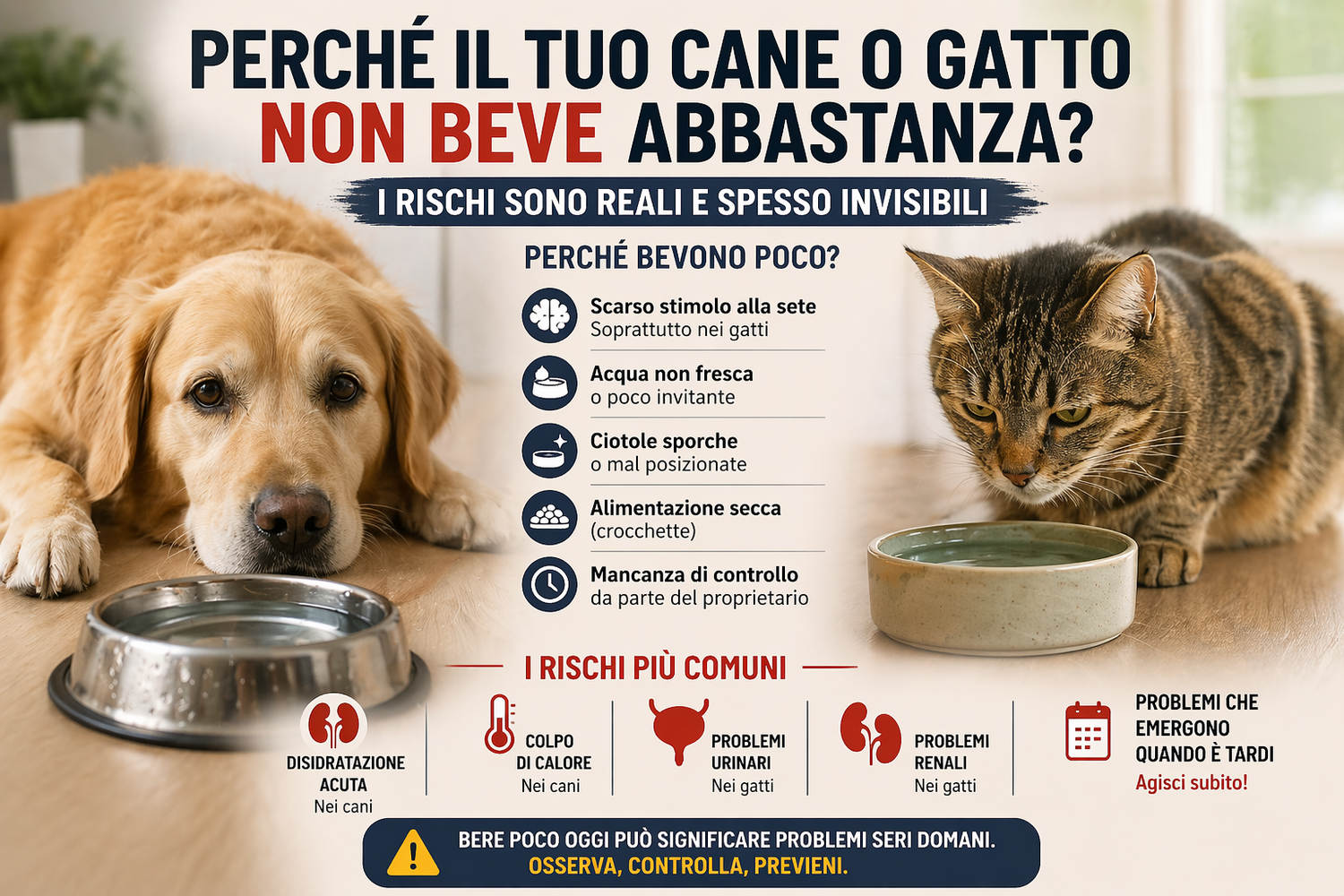
Dogs and cats often drink less than necessary for these reasons:
-
- Poor thirst stimulation (especially in cats)
- Water that is not fresh or stagnant
- Bowls that are not clean or poorly placed
- Dry feeding (kibble)
- Lack of monitoring by the owner
👉 The main risk: chronic dehydration, which can cause urinary and kidney problems.
💧 The real problem: it’s not “if they drink,” but how much they really drink
Many owners think:
👉 “The bowl is full, so everything is fine”
But the reality is different.
-
- You don’t know how much they drink during the day
- You don’t check the actual amounts
- You are not present when they need it most
👉 Result: go by feeling, not by control
🔎 Discover the possible causes
🐱 Why cats drink little (and it is a serious risk)
🧠 Origin of the behavior
The cat descends from desert animals.
👉 This means:
-
- Low perception of thirst
- Habit of getting fluids from food
❗ Modern problem
Today many cats:
-
- They eat dry kibble
- They drink little
- They live in domestic environments
👉 The perfect combination for urinary problems.
🐶 And dogs? Do they really drink enough?
Dogs drink more easily than cats, but not always enough.
🔍 The most common reasons:
-
- Warm or unappealing water
- Irregular routine
- Intense activity without proper replenishment
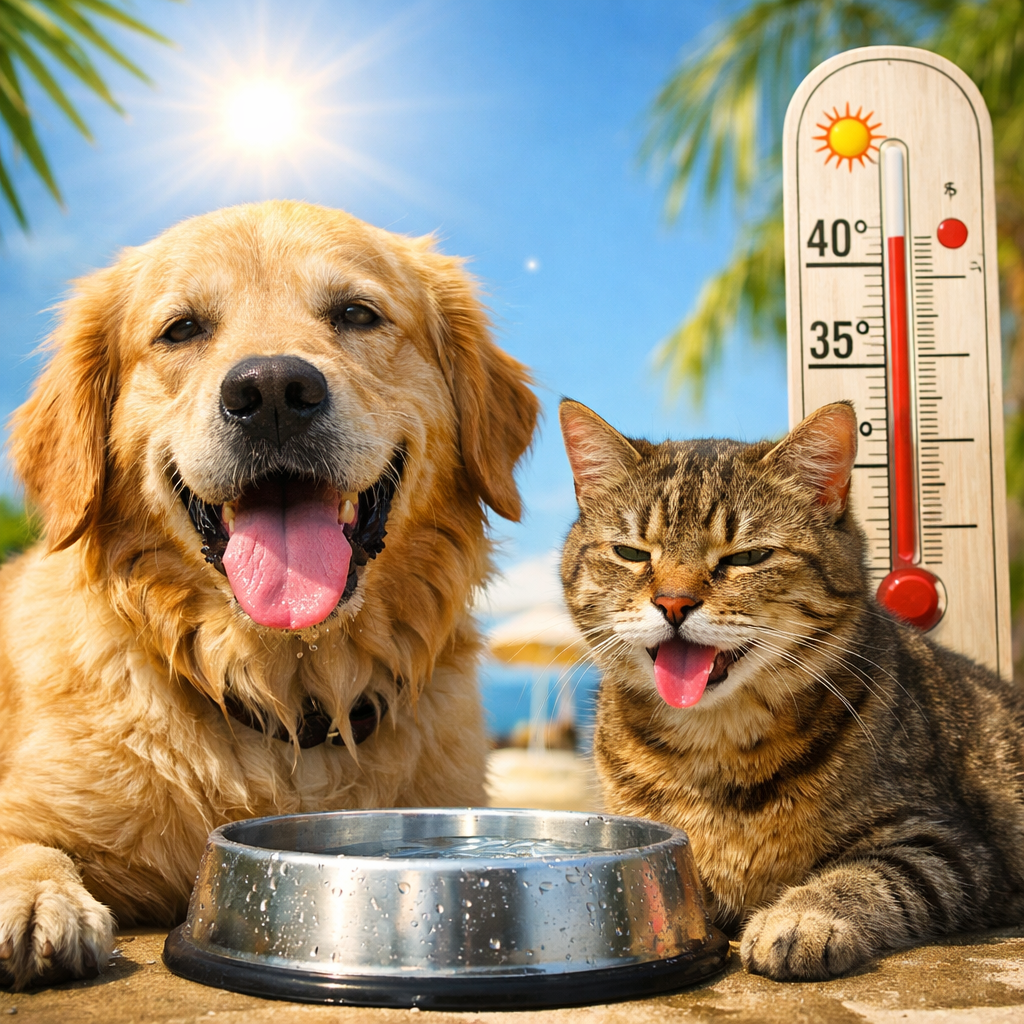
👉 In summer, the risk increases significantly.
🚨 The real risks of poor hydration
🐱 In cats:
-
- Urinary stones
- Cystitis
- Kidney failure (one of the most common)
🐶 In dogs:
-
- Acute dehydration
- Digestive problems
- Heat strokes (in extreme cases)
👉 The critical point:
these are problems that often emerge when it's too late.
❌ Why "classic" solutions really don't work
Many try to solve it this way:
-
- Changing water often
- Using more bowls
- Adding water to food
👉 Do they work? Yes, but only partially.
The real limit:
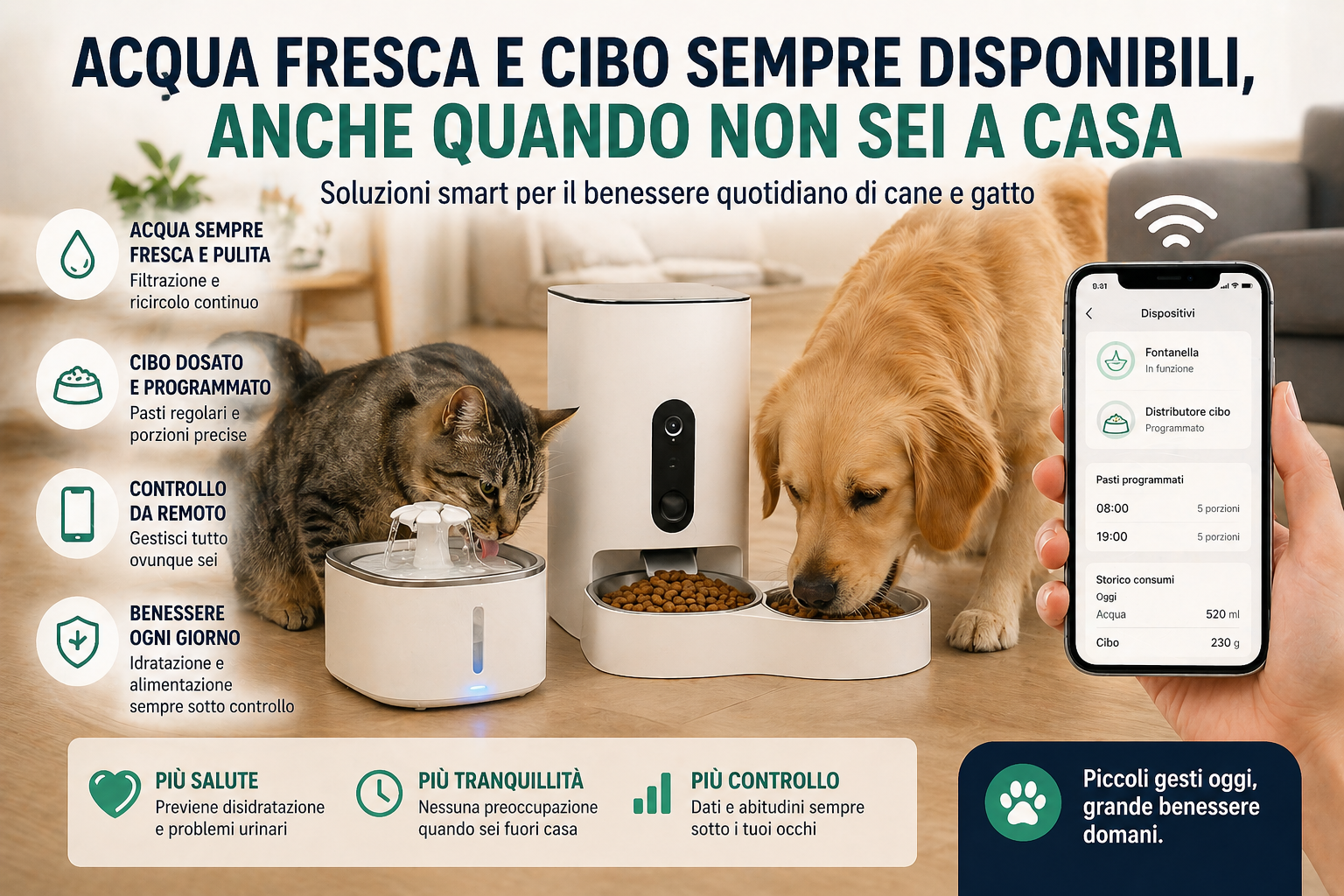
👉 they don't guarantee continuity and control
-
- You are not always present
- You don't know how much they really drink
- You don't have real data
🔎 Explore solutions and various topics!
🧠 The real problem: lack of control
Here lies the key point of the problem.
👉 It's not just "drinking little"
The thing is:
-
- you don't monitor
- you don't measure
- you don't check
And so:
👉 you really can't intervene
📋 Signs that your pet drinks too little
🔍 Watch out for:
-
- Concentrated urine
- Dry gums
- Tiredness
- Poor appetite
- Lethargic behavior
👉 In cats, these signs appear late.
🤔 FAQ – Frequently asked questions.
Why doesn't my cat drink?
By nature, he has little thirst and is often not stimulated by the available water.
Can a dog become dehydrated even with a full bowl?
Yes, if he doesn't drink enough compared to his needs.
Is adding water to food enough?
It helps, but it doesn't completely solve the problem.
Should the water be changed often?
Yes, especially in hot weather. It must be fresh and clean.
🔚 Conclusion
The point is not whether your pet drinks.
👉 The point is: does he drink enough, every day?
And above all:
👉 do you really know?
In most cases:
-
- there is no real monitoring
- there is no continuity
- people rely on habit
And this is where the problems begin.

Leave a comment
All comments are moderated before being published.
This site is protected by hCaptcha and the hCaptcha Privacy Policy and Terms of Service apply.